When the weather turns cold and the days get shorter, there’s something incredibly comforting about preparing hearty meals. And for me, one of the most nostalgic foods tied to the changing seasons is suet. Now, if you’re wondering what suet even is, I get it-it’s not something most people casually talk about at dinner. In its traditional form, suet is the hard fat around a cow’s kidneys, often used in savory and sweet recipes, like suet puddings or mince pies. But for those of us who don’t eat meat, or are simply looking for a plant-based alternative, vegetarian suet is a game changer. It brings all the rich, comforting qualities of suet, but without the animal products.
I remember the first time I made a vegetarian suet recipe-it felt like a huge step in my journey to learn how to create familiar foods in a more compassionate, plant-based way. The process was surprisingly simple and the result? Perfectly light, flaky, and comforting dishes that didn’t skimp on taste. It also felt like I was tapping into a very old culinary tradition, but in a way that suited my own lifestyle. So, let’s dig into how to make your own vegetarian suet at home.
Vegetarian Suet Recipe
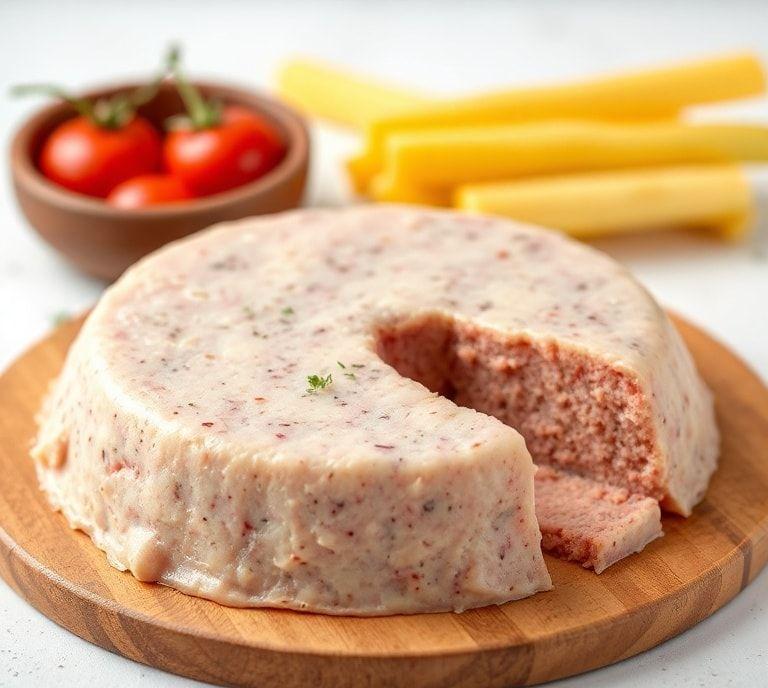
Making vegetarian suet is a lot easier than it sounds. If you have the right ingredients and a few minutes to spare, you can create your own version in the comfort of your kitchen. The trick is getting that wonderful consistency and taste that suet brings to the table, without the use of animal fat. Here’s a recipe I’ve used time and time again-simple and reliable.
Ingredients Needed
- 1 cup of vegetable shortening (You can use a good quality, non-hydrogenated variety for a healthier option, or go with a coconut oil-based shortening for a slightly different flavor.)
- 1 cup of all-purpose flour (This forms the foundation of the suet and provides that flaky texture.)
- 1/4 teaspoon of salt (For a little bit of seasoning-don’t overdo it, though, we’ll balance it out later.)
- 1/2 teaspoon of baking powder (This helps the suet stay light and airy when it cooks.)
- 1/4 cup of cold water (This brings everything together, but don’t add too much-just enough to make the dough stick without becoming too sticky.)
You can easily double this recipe if you’re preparing a larger batch or if you plan to use it in multiple dishes.
Cooking Instructions
- Combine the Dry Ingredients: Start by sifting together the flour, baking powder, and salt. This step makes sure everything is evenly distributed and ensures there are no lumps in your suet mix.
- Add the Shortening: Using your fingers or a pastry cutter, work the vegetable shortening into the dry ingredients. This should take a few minutes. The goal is to get a crumbly texture, almost like breadcrumbs. You want the shortening to be evenly distributed throughout.
- Add Cold Water: Slowly add cold water, one tablespoon at a time, stirring the mixture until it begins to come together into a dough. You don’t want it to be too sticky, but just firm enough to hold its shape.
- Chill: Once your dough is mixed, wrap it in cling film or parchment paper and chill it in the fridge for at least an hour. This helps the suet firm up, making it easier to work with later.
- Use as Needed: Once your vegetarian suet has chilled and solidified, it’s ready for use. You can grate it into puddings, dumplings, or any recipe that calls for traditional suet. You can also store it in an airtight container in the fridge for up to a week or freeze it for longer storage.
Ingredient Science Spotlight
There’s something incredibly satisfying about understanding the science behind ingredients, and vegetarian suet is no exception. The reason vegetable shortening works so well in this recipe is because of its high-fat content. The fat content creates that signature flaky texture, which is a hallmark of suet. The flour, on the other hand, provides structure, helping to hold everything together while still allowing the dough to remain light.
Then, there’s the cold water. It plays a crucial role in keeping the fats from melting too early. When combined with the flour, it helps form a delicate structure, which, when baked, results in that tender texture we’re looking for in dishes like dumplings or steamed puddings.
The reason why this vegetarian suet works so well in baking is due to the way the fats behave. When they are chilled and cut into the flour mixture, they create tiny pockets of fat within the dough, which allows it to rise and become airy during cooking. This is why it’s important not to skip the chilling step-it keeps the fats solidified, which is key for that flaky, melt-in-your-mouth texture.
Expert Tips
- Use Cold Ingredients: If you’re aiming for a flaky texture, make sure all your ingredients, especially the vegetable shortening and water, are cold. This helps prevent the fats from melting too soon, which could lead to a greasy, heavy suet rather than a light, crumbly one.
- Don’t Overwork the Dough: Like with most pastry recipes, overworking the dough will yield a denser result. Mix it just enough to bring it together, and then chill it.
- Grate for Even Distribution: If you’re adding this suet to something like a steamed pudding or dumplings, consider grating it instead of chopping. Grated suet integrates better into the dough and ensures an even texture throughout.
- Adjust the Fat Content: Depending on your preference, you can use a bit more shortening if you want a richer texture. If you prefer a lighter suet, use a little less and add a touch more water to keep it cohesive.
Recipe Variations
Once you’ve nailed the basic recipe, it’s easy to get creative. You can add herbs or spices to customize the suet to fit a particular dish. For example, adding a pinch of rosemary or thyme to the suet will give your dumplings a lovely savory flavor. For a sweeter twist, a touch of cinnamon or nutmeg can be added for use in fruit-based steamed puddings.
- Herbed Vegetarian Suet: Add 1 tablespoon of finely chopped herbs like rosemary, thyme, or sage to the dry ingredients before mixing in the fat. This gives your suet an aromatic flavor, perfect for savory dishes.
- Sweet Vegetarian Suet: Add 1/4 teaspoon of cinnamon, ginger, or a splash of vanilla extract for a sweet variation. This works especially well if you’re using the suet for a spiced Christmas pudding or a similar dessert.
Final Words
Creating your own vegetarian suet is a satisfying, no-fuss way to enhance your plant-based cooking. The beauty of making it yourself lies in the ability to customize it to your exact preferences-whether that’s making it richer, lighter, or more fragrant. And you’ll notice that when it comes time to actually use it in your favorite dishes, it performs just as well, if not better, than the traditional version.
It’s also a great reminder of how simple, everyday ingredients can be transformed into something that evokes both nostalgia and comfort. The best part? You don’t need to rely on processed versions or obscure ingredients to achieve that homey, hearty texture. With just a handful of pantry staples, you’ve got yourself a homemade suet that’s ready for all sorts of delicious adventures.
FAQs
What Ingredients Are Needed For A Basic Vegetarian Suet Recipe?
A basic vegetarian suet recipe typically requires flour, vegetable shortening (or plant-based butter), baking powder, a pinch of salt, and cold water. Some variations may include spices, dried fruits, or seeds for added flavor. The ingredients are combined to create a dough that mimics traditional suet, but without animal fats.
How Do I Make Vegetarian Suet At Home Without Animal Fat?
To make vegetarian suet at home, substitute the traditional beef or mutton suet with vegetable shortening, coconut oil, or plant-based butter. The fat is crucial for the texture, so choose a plant-based fat that is solid at room temperature, like vegetable shortening. Simply mix the fat with flour, salt, and baking powder, then add cold water to form a dough. Chill the mixture for a while before using it in recipes.
Can I Use Vegetarian Suet In Traditional Recipes Like Christmas Pudding Or Mince Pies?
Yes, you can use vegetarian suet as a substitute for traditional suet in classic recipes like Christmas pudding, mince pies, or suet dumplings. The texture and flavor will be slightly different, but the vegetarian suet will work well in these dishes. Ensure that the suet is well incorporated into the dough or batter for the best results.