Stir-fries have always held a special place in my heart. They’re quick, flavorful, and infinitely customizable, making them an ideal meal for any night of the week. The beauty of a stir-fry lies not only in its simplicity but in its ability to bring together an array of ingredients-often what’s lying around in your fridge-into a delightful, vibrant dish. As someone who’s spent many evenings improvising in the kitchen, I can tell you that a stir-fry is one of the most forgiving dishes out there. You can play around with flavors, textures, and colors, and it’ll still come out delicious.
Today, I’m going to walk you through a delicious vegetarian stir-fry recipe that’s packed with flavor, healthy vegetables, and a zesty sauce that brings everything together. This is one of my go-to recipes when I want something quick and satisfying that doesn’t leave me feeling sluggish afterward. Plus, it’s easy enough for beginners but versatile enough for seasoned cooks to get creative with. So let’s dive in.
Stir-fry Vegetarian Recipe
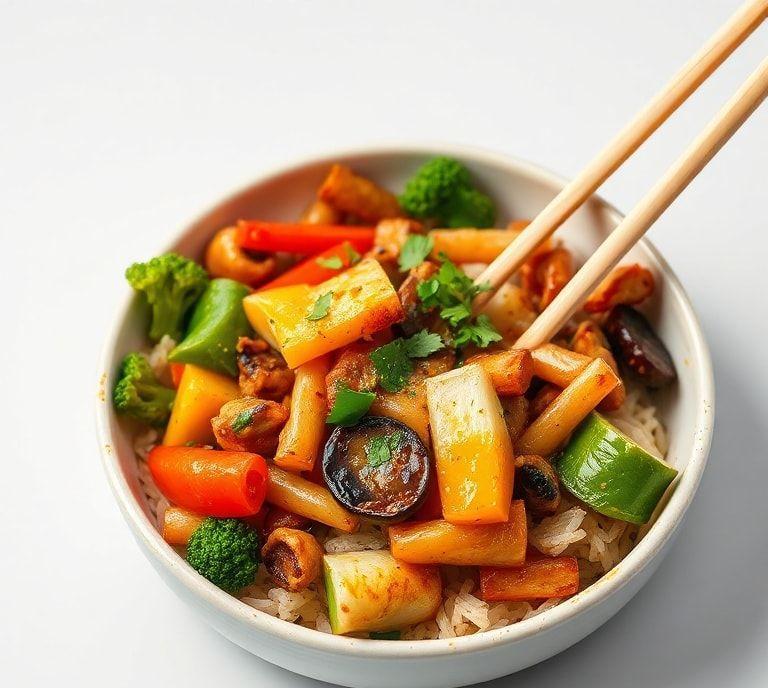
There’s something comforting about the way a stir-fry comes together-how the vegetables sizzle in the hot pan, releasing their natural sugars, while the soy sauce and spices meld into a savory glaze. When I first started cooking, I relied on stir-fries as my go-to meal, partly because they’re quick but also because they can be so rewarding. You throw a handful of ingredients into a hot pan, and within minutes, you’ve got something full of texture, crunch, and a depth of flavor that feels like it’s been hours in the making.
This vegetarian stir-fry I’m sharing today includes all the elements that make stir-fries such an enticing dish: fresh vegetables, a balanced sauce, and just the right amount of heat. You can have it ready in under 30 minutes, so it’s perfect for those busy weeknights when you’re craving something healthy but don’t want to spend hours in the kitchen.
Ingredients Needed
Now, let’s talk about the ingredients. I’ve chosen a mix of colorful vegetables that not only taste fantastic but also bring a variety of textures to the dish. These ingredients are flexible, so if you don’t have one or two, you can easily swap them out for what you have on hand. This is part of the magic of stir-fries.
- 1 tablespoon of vegetable oil (or sesame oil for extra flavor)
- 1 medium onion, thinly sliced – Sweet onions work best, but any onion will do. The onion caramelizes slightly during the cooking process, adding a natural sweetness.
- 1 bell pepper, julienned – Red, yellow, or orange bell peppers all add color and a touch of sweetness.
- 1 small zucchini, sliced – Zucchini cooks quickly and retains a nice, tender texture while absorbing the flavors of the sauce.
- 1 carrot, julienned – Carrots bring a sweet crunch that contrasts beautifully with the softness of the other vegetables.
- 1 cup of broccoli florets – A classic stir-fry vegetable that adds a bit of bite and a lovely earthy flavor.
- 1/2 cup of snap peas or snow peas – These add a satisfying crunch and slight sweetness.
- 2 cloves garlic, minced – Garlic adds that unmistakable savory aroma and depth of flavor.
- 1-inch piece of ginger, grated – Fresh ginger is key for adding a bit of zing and warmth.
- 3 tablespoons of soy sauce – This is the backbone of your stir-fry sauce, lending that familiar umami flavor.
- 2 tablespoons of hoisin sauce – For a touch of sweetness and depth.
- 1 tablespoon of rice vinegar – This adds a touch of acidity to balance the sweetness and saltiness of the sauce.
- 1 tablespoon of chili paste or sriracha (optional) – For those who like it spicy, this adds a kick, but it’s completely optional.
- Toasted sesame seeds – For garnish, giving a nutty crunch that ties the dish together.
You can feel free to tweak the ingredients to fit your preferences or what’s available to you. That’s part of the fun with stir-fries!
Cooking Instructions
- Prepare the ingredients: Start by washing and chopping all your vegetables. Having everything ready to go is crucial for stir-frying since it all cooks quickly. You don’t want to be scrambling around for a knife when your pan is already heating up.
- Make the sauce: In a small bowl, whisk together the soy sauce, hoisin sauce, rice vinegar, and chili paste (if using). Set this aside. The balance of salty, sweet, and tangy is what makes the sauce so irresistible.
- Heat the pan: Heat the oil in a large, heavy-bottomed skillet or wok over medium-high heat. When the oil is hot (but not smoking), add the onion. Stir it around for a minute or two, letting it soften and slightly caramelize.
- Add the vegetables: First, toss in the harder vegetables-carrots, broccoli, and bell pepper. Stir-fry them for about 3-4 minutes, making sure they’re all evenly coated in the oil and starting to soften a bit. Next, add the zucchini, snap peas, garlic, and ginger. Stir-fry everything for another 2-3 minutes until the vegetables are just tender but still have a nice crunch.
- Add the sauce: Pour the sauce over the vegetables and give everything a good toss to coat. Let the sauce cook down for another minute, allowing it to thicken slightly and really infuse the vegetables with flavor.
- Serve: Remove from heat, sprinkle with sesame seeds, and serve hot with steamed rice or noodles.
Ingredient Science Spotlight
The ingredients in this stir-fry aren’t just flavorful-they’re packed with nutritional benefits. Let’s take a closer look at some of the science behind a few key ingredients.
- Zucchini: This mild vegetable is a great source of antioxidants, particularly carotenoids, which contribute to its vibrant color. It’s also rich in water, which helps keep you hydrated. Plus, zucchini has a low calorie count, making it a great option if you’re looking to eat healthy without overloading on calories.
- Bell Peppers: These are loaded with vitamin C-one of the most potent antioxidants around. A single bell pepper can provide more than 200% of your daily vitamin C needs. This nutrient supports immune function and skin health, while also promoting the absorption of iron from plant-based sources.
- Broccoli: If you’re looking for a vegetable that punches above its weight in terms of nutrients, look no further than broccoli. It’s an excellent source of fiber, vitamins C and K, and several bioactive compounds that may help fight inflammation and support detoxification in the body.
- Ginger: Known for its anti-inflammatory properties, ginger is great for soothing digestive issues. It also has a warming effect, which makes it the perfect addition to stir-fries, especially in cooler months. It can help alleviate nausea and improve circulation, too.
Expert Tips
- Prep everything first: Stir-frying is a fast-paced cooking method, so make sure all your ingredients are prepped and ready to go before you start. It’s all about timing.
- Don’t overcrowd the pan: If your pan is too crowded, the vegetables will steam rather than stir-fry, losing that crispy texture. If you have a lot of vegetables, cook them in batches.
- Use high heat: The key to a good stir-fry is cooking everything quickly at a high heat. This helps seal in the flavors and keeps the vegetables crisp-tender.
- Get creative with sauces: The sauce is the heart of a stir-fry. While this recipe is already fantastic, try experimenting with different flavors. Add a splash of orange juice for sweetness or toss in a little peanut butter for a creamy twist.
Recipe Variations
While this recipe is a classic veggie stir-fry, there’s no reason you can’t make it your own. Here are a few ideas for variations:
- Add tofu or tempeh: For a protein boost, cube up some firm tofu or tempeh and pan-fry it until crispy before adding it to the stir-fry. Tofu soaks up the sauce beautifully, making it an excellent addition.
- Noodles instead of rice: Swap out the rice for some cooked noodles (I love soba or rice noodles for a lighter touch) for a different texture. You can even stir the noodles right into the stir-fry for a one-pan meal.
- Switch up the vegetables: Don’t be afraid to get creative with your veggie mix. Cauliflower, mushrooms, bok choy, or cabbage would all make great substitutes or additions to the recipe.
- Add nuts: Cashews or peanuts would make a fantastic addition, adding crunch and a little extra protein.
Final Words
This stir-fry recipe has all the components I love in a meal: it’s quick, versatile, and full of fresh, wholesome ingredients. The best part is that you can tweak it to suit your preferences or what you have on hand. It’s one of those dishes that gets better the more you make it, and you’ll find yourself refining the flavors each time.
FAQs
What Vegetables Are Best For A Stir-fry Vegetarian Recipe?
A variety of vegetables can be used in stir-fry recipes. Some of the best options include bell peppers, broccoli, carrots, mushrooms, zucchini, snow peas, and baby corn. Leafy greens like spinach or bok choy can also add a nutritious element. The key is to use vegetables that cook quickly and retain their texture when stir-fried.
Can I Add Tofu Or Tempeh To A Stir-fry Vegetarian Recipe?
Yes, tofu and tempeh are excellent protein sources for stir-fries. Tofu can be cubed and either pressed to remove excess moisture or lightly pan-fried for a firmer texture. Tempeh, made from fermented soybeans, has a nutty flavor and firm texture, making it a great choice for stir-fries as well. Both options absorb flavors from the sauce and complement the vegetables well.
What Sauces Or Seasonings Work Best For A Stir-fry Vegetarian Recipe?
For stir-fry vegetarian recipes, a variety of sauces and seasonings can be used to enhance the flavors. Common choices include soy sauce, tamari (for a gluten-free option), hoisin sauce, oyster sauce (vegetarian versions available), sesame oil, and rice vinegar. For added heat, chili paste, sriracha, or fresh chilies can be added. Fresh garlic, ginger, and green onions are also key for creating a flavorful base.