Hosting a gathering of friends or family often leads to the challenge of finding food that caters to everyone’s dietary preferences. While some guests may be die-hard meat lovers, others prefer plant-based meals. The perfect solution to this dilemma is a vegetarian buffet. It’s a spread that offers variety, flavor, and options for all tastes, and the beauty of a buffet-style meal is that everyone can choose what they love while still feeling like they’re part of the same feast.
I’ve always been a fan of hosting potluck-style events or making meals that don’t have to follow rigid rules or course structures. I remember one afternoon, a group of us gathered for an impromptu potluck, and I decided to surprise everyone with a vegetarian buffet, just to see how well it would go over. To my surprise, it became the highlight of the gathering. Everyone raved about the flavors and textures, and no one even missed the meat! This recipe is what I came up with that day-simple, satisfying, and absolutely delicious.
Whether you’re throwing a party, having a casual dinner with friends, or just need a healthy weeknight dinner, this vegetarian buffet recipe can be the star of the show. Let’s dive into the ingredients, cooking techniques, and little tips that’ll elevate this spread from ’just fine’ to “incredible”.
Vegetarian Buffet Recipe
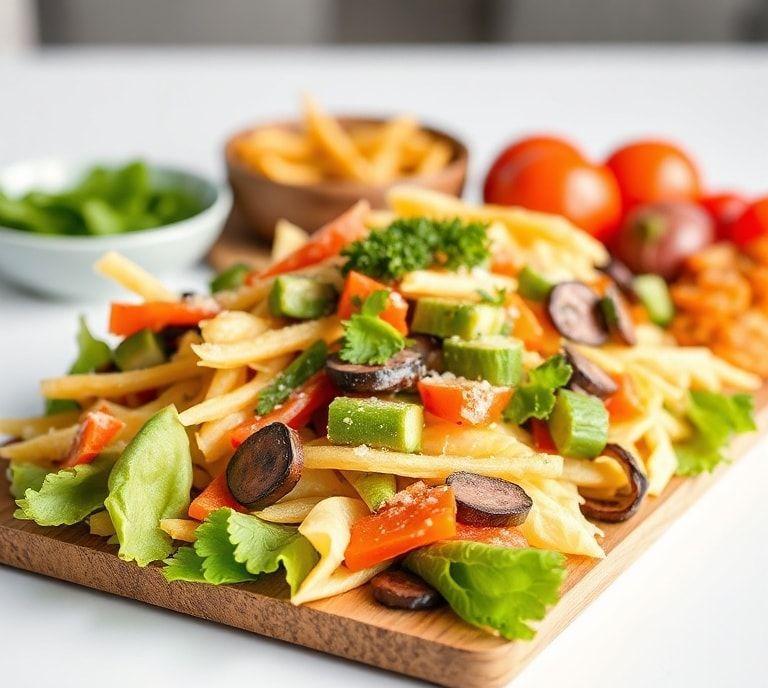
This vegetarian buffet brings together a variety of flavors, textures, and colors, featuring everything from roasted vegetables to savory dips, crispy fritters, and flavorful salads. The beauty of it is that everything can be made ahead of time, leaving you free to enjoy the company of your guests instead of being stuck in the kitchen.
You’ll be serving dishes that are both hearty and light, full of fresh, plant-based goodness that will make even non-vegetarians rethink their meat-heavy meals. The best part? There’s no one "right" way to do it. It’s all about balancing flavors, and once you get a feel for it, the combinations are endless.
Ingredients Needed
To bring this buffet to life, you’ll need a mix of vegetables, legumes, grains, and a few pantry staples. Here’s a breakdown of what you’ll need:
-
Roasted Vegetables
- 2 large sweet potatoes, cubed
- 2 bell peppers (one red, one yellow), sliced
- 1 zucchini, sliced
- 1 eggplant, diced
- 1 red onion, quartered
- 3 tablespoons olive oil
- Salt and pepper to taste
- 1 teaspoon smoked paprika
- 1 teaspoon cumin
-
Quinoa Salad
- 1 cup quinoa
- 1 cup cherry tomatoes, halved
- 1 cucumber, diced
- 1/4 cup fresh parsley, chopped
- Juice of 1 lemon
- 2 tablespoons olive oil
- Salt and pepper to taste
-
Crispy Chickpea Fritters
- 1 can chickpeas, drained and mashed
- 1/2 cup chickpea flour
- 2 tablespoons nutritional yeast
- 1 teaspoon cumin
- 1/2 teaspoon garlic powder
- Salt and pepper to taste
- 1 tablespoon olive oil (for frying)
-
Guacamole
- 2 ripe avocados
- 1/2 small onion, finely chopped
- 1 jalapeño, minced (optional)
- 1 clove garlic, minced
- 1 lime, juiced
- Salt to taste
-
Hummus
- 1 can chickpeas, drained
- 1/4 cup tahini
- 1/4 cup olive oil
- 2 tablespoons lemon juice
- 1 garlic clove
- Salt to taste
-
Fresh Greens
- Mixed greens or arugula (about 4 cups)
- A handful of toasted nuts (like almonds or walnuts)
Cooking Instructions
-
Roast The Vegetables
Preheat your oven to 400°F (200°C). Place all the chopped vegetables in a large bowl and toss with olive oil, salt, pepper, smoked paprika, and cumin. Spread them out in a single layer on a baking sheet and roast for about 25-30 minutes, or until tender and slightly caramelized. Make sure to toss them halfway through so they cook evenly.
-
Prepare The Quinoa Salad
Rinse the quinoa well and cook it according to the package instructions (usually about 15 minutes). Once cooked, let it cool slightly. In a large bowl, combine the quinoa, cherry tomatoes, cucumber, parsley, lemon juice, olive oil, and season with salt and pepper. Toss well and set aside.
-
Make The Chickpea Fritters
In a mixing bowl, combine the mashed chickpeas, chickpea flour, nutritional yeast, cumin, garlic powder, salt, and pepper. Add a little water if the mixture feels too dry. Form small patties with your hands. Heat the olive oil in a skillet over medium heat, and fry the fritters for about 3-4 minutes on each side, until golden brown and crispy. Drain on paper towels.
-
Prepare The Guacamole
In a medium bowl, mash the avocados with a fork until smooth, leaving some chunks for texture. Add the finely chopped onion, garlic, jalapeño, lime juice, and salt. Mix well and taste-add more salt or lime if necessary.
-
Make The Hummus
In a food processor, blend the chickpeas, tahini, olive oil, lemon juice, garlic, and salt until smooth. If the mixture is too thick, add a little water to adjust the texture.
-
Assemble The Buffet
Lay everything out buffet-style. Arrange the roasted vegetables, quinoa salad, fritters, hummus, and guacamole in separate bowls. Toss the mixed greens with toasted nuts and serve as a side salad. Everyone can help themselves to whatever they like!
Ingredient Science Spotlight
It’s easy to overlook the science behind ingredients, but understanding how these elements interact can elevate your cooking. Let’s take a closer look at a few of the star ingredients in this recipe.
-
Chickpeas
Chickpeas are an excellent source of plant-based protein and fiber, which helps keep you full and satisfied. But they’re also incredibly versatile. In the fritters, the starch in chickpeas binds the ingredients together, creating a crispy texture when fried. The high fiber content also makes chickpeas a great choice for stabilizing blood sugar levels.
-
Quinoa
Quinoa is technically a seed, not a grain, but it has a nutty flavor and is packed with protein-making it a fantastic meat alternative. Unlike most plant-based proteins, quinoa is a complete protein, meaning it contains all nine essential amino acids our bodies need. It’s also rich in iron, magnesium, and antioxidants.
-
Avocados
Avocados are full of healthy fats-particularly monounsaturated fats-which are great for heart health. The creamy texture they provide in guacamole comes from oleic acid, which has been shown to reduce inflammation. They’re also packed with fiber, which helps with digestion.
Expert Tips
-
Make Ahead
A vegetarian buffet is perfect for making ahead of time. The roasted vegetables and quinoa salad hold up beautifully in the fridge, and the chickpea fritters can be made in advance and reheated. The hummus and guacamole can also be prepared the day before, but make sure to store them tightly covered to avoid browning.
-
Mix Textures
Balance soft, creamy textures (like guacamole and hummus) with crunchy, crispy elements (like the chickpea fritters and roasted veggies). This contrast in textures keeps the buffet exciting and satisfying.
-
Season To Taste
Don’t be afraid to adjust the seasoning. With vegetarian dishes, flavors can sometimes get lost without the richness of meat. Be generous with herbs, spices, and citrus to enhance the taste. Fresh herbs, like parsley or cilantro, can make a huge difference!
-
Get Creative With Dips
If you’re looking to offer more variety, consider adding other dips like baba ghanoush, tzatziki, or a smoky red pepper dip. The more dips, the better!
Recipe Variations
While this buffet is fantastic as is, you can easily make substitutions based on your tastes or dietary needs:
- Vegan Fritters: If you want to make the fritters completely vegan, replace the chickpea flour with ground flaxseed and water as a binder.
- Grain Options: If you’re not a fan of quinoa, try swapping in couscous, farro, or even wild rice for the salad.
- Cheese Lovers: For a more indulgent option, sprinkle some crumbled feta or goat cheese on the quinoa salad or mix it into the roasted vegetables.
Final Words
This vegetarian buffet recipe is a celebration of color, flavor, and simplicity. It brings together wholesome ingredients in a way that even the most dedicated carnivores will appreciate. I love that there’s no need for perfection here-just a few simple dishes, good company, and the joy of sharing a meal together.
FAQs
What Are Some Essential Dishes To Include In A Vegetarian Buffet?
A well-rounded vegetarian buffet should include a variety of appetizers, main courses, and sides to accommodate different tastes and dietary preferences. Some essential dishes might include vegetable samosas, hummus with pita bread, quinoa salad, vegetable lasagna, roasted vegetables, stuffed mushrooms, and a variety of fresh salads. To provide balance, include protein-rich options like chickpea curry, lentil stew, and a tofu stir-fry. Offering a mix of textures and flavors-crunchy, creamy, savory, and sweet-will make the buffet more appealing.
How Can I Make A Vegetarian Buffet Meal That Appeals To Both Vegetarians And Non-vegetarians?
To create a vegetarian buffet that appeals to both vegetarians and non-vegetarians, focus on making the vegetarian dishes hearty and flavorful. Use a variety of plant-based proteins such as legumes, tofu, tempeh, and seitan, and incorporate rich flavors through spices and herbs. Offering dishes like vegetable curries, Mediterranean mezze, and grilled vegetable skewers will be satisfying for all guests. Additionally, ensure that the buffet has enough variety to cater to different preferences, including vegan and gluten-free options, so everyone can enjoy the meal.
How Can I Prepare A Vegetarian Buffet In Advance?
Many vegetarian buffet recipes can be prepared in advance, making it easier to host. For instance, salads can be prepped the day before, with dressings kept separate to prevent wilting. Roasted vegetables and baked dishes like casseroles or lasagna can be assembled a day in advance and then baked on the day of the event. Cold appetizers such as dips (hummus, guacamole, tzatziki) and crudité platters can be made ahead of time as well. For best results, store prepared dishes properly and reheat them just before serving to maintain freshness. Make sure to plan your cooking timeline so that everything is ready to be served at the right time.