
Tiramisu. Just the word alone evokes a sense of indulgence and nostalgia, doesn’t it? A dessert that has been an Italian staple for decades, it’s more than just a sweet treat; it’s a celebration of texture, flavors, and that comforting balance between creamy and coffee-infused layers. Now, I’m going to be real for a second. While I love the classic version of tiramisu, sometimes, I crave a lighter twist on it. That’s where this vegetarian tiramisu comes in-fluffy, flavorful, and rich, without compromising on the integrity of the dish. I remember the first time I tried making a vegetarian version of tiramisu; I was in college, trying to impress friends at a dinner party. I was skeptical at first, but as soon as I took the first bite, I knew I had stumbled upon something brilliant.
So, whether you’re a longtime tiramisu lover, a vegetarian, or just someone looking for something new to try, I hope this recipe becomes one of those "go-to" dishes in your kitchen arsenal. It’s easy, it’s decadent, and it’s everything you want a dessert to be-minus the heavy animal-based ingredients.
Tiramisu Vegetarian Recipe
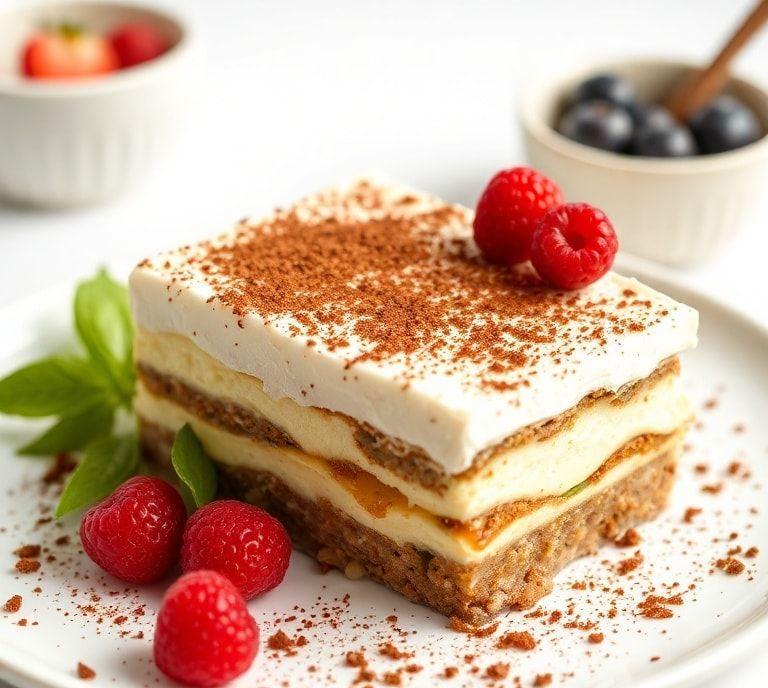
This vegetarian tiramisu stays true to the essence of the original with its layers of coffee-soaked sponge, creamy mascarpone, and that irresistible dusting of cocoa. The beauty of this version is that it keeps the authentic flavors intact while swapping out eggs and other non-vegetarian ingredients for plant-based or eggless alternatives. What makes it even better is that it’s just as indulgent, if not more so, than the traditional recipe. There’s something about the creaminess of the mascarpone combined with the soft sponge soaked in espresso that just melts in your mouth.
Ingredients Needed
- Ladyfingers (savoiardi biscuits): These are key to tiramisu’s texture, and they serve as the base for each layer. You can find vegetarian-friendly ladyfingers at most grocery stores, or you can make your own if you’re feeling adventurous.
- Mascarpone cheese: This is the real star of tiramisu. The soft, slightly tangy texture of mascarpone is crucial to achieving that creamy layer between the coffee-soaked biscuits. Most mascarpone is already vegetarian, but always check the label just to be sure.
- Heavy cream: You’ll need this to lighten the mascarpone mixture. It adds airiness and volume, helping to create that melt-in-your-mouth experience.
- Sugar: A bit of sugar is necessary to balance out the bitterness of the coffee.
- Vanilla extract: A touch of vanilla adds warmth and depth to the flavor profile of the cream.
- Espresso or strong coffee: You can’t have tiramisu without this. The coffee-soaked layers are what give this dessert its signature punch.
- Cocoa powder: For dusting the top. It adds an essential bit of bitterness to balance the sweetness and the creaminess.
- Alcohol (optional): Some recipes use a splash of rum or Marsala wine. Since this is a vegetarian version, I tend to keep it alcohol-free, but if you want a little extra depth of flavor, feel free to add a tablespoon or two.
Cooking Instructions
- Prepare the Coffee: Brew a strong pot of coffee or espresso. Once it’s done, set it aside to cool. If you’re using alcohol, stir it in now.
- Make the Cream Mixture: In a large bowl, whisk together mascarpone cheese, heavy cream, sugar, and vanilla extract until smooth and thick. You can use a hand mixer or a stand mixer for this part. Whisk until the mixture forms soft peaks. It should be airy but not runny.
- Layer the Tiramisu: Now comes the fun part-assembly. Quickly dip each ladyfinger into the cooled coffee (don’t let them soak for too long, or they’ll get soggy). Lay them out in the bottom of your serving dish. Cover the layer of ladyfingers with a generous amount of the mascarpone mixture, spreading it evenly over the top.
- Repeat the Layers: Once you have one layer, repeat the process-coffee-dipped ladyfingers and another layer of mascarpone cream. Depending on the size of your dish, you might have two or three layers.
- Chill: Once assembled, cover the tiramisu with plastic wrap or a lid and refrigerate for at least 4 hours, but ideally overnight. This gives the flavors time to meld together, and the dessert firms up for perfect slicing.
- Serve: When you’re ready to serve, dust the top with a light coating of cocoa powder. If you want a fancier look, you can use a stencil to make a beautiful design. Slice and enjoy!
Ingredient Science Spotlight
Now, let’s talk about the science behind some of the ingredients that make this tiramisu stand out.
Mascarpone cheese is often the first ingredient that intrigues people. It’s not quite like cream cheese, but it’s much richer and smoother. What makes it perfect for tiramisu is its high fat content, which helps create that creamy texture. It’s also relatively mild, so it doesn’t overwhelm the other flavors in the dessert. The mascarpone binds everything together, making each bite a smooth, luscious experience.
Ladyfingers, while they seem like simple cookies, play a crucial role in tiramisu’s structure. The light, airy texture of the ladyfingers holds up well when dipped in coffee. But here’s the trick-if you soak them for too long, you’ll end up with a mushy mess. The key is a quick dip, just enough to absorb the coffee’s flavor without losing their texture.
Heavy cream contributes that cloud-like softness to the mascarpone mixture. It’s all about the balance between the fat in the mascarpone and the lightness of the whipped cream. When you whisk them together, air is trapped, which helps create that pillowy creaminess we all love.
Expert Tips
- Dip with precision: When dipping the ladyfingers into the coffee, make sure it’s a quick dunk-just a second or two. The goal is to saturate them, not soak them through completely.
- Use quality coffee: Since coffee is a primary flavor in tiramisu, using a good quality espresso or coffee can really elevate the dish. Freshly brewed is always better than instant, and if you have an espresso machine, even better.
- Don’t rush the chill time: The tiramisu gets better as it sits in the fridge, so don’t be tempted to rush it. Let the dessert chill for at least 4 hours (but overnight is ideal). The flavors meld together beautifully, and the texture sets to the perfect consistency.
- Dusting cocoa: Use unsweetened cocoa powder for dusting the top-this helps balance the sweetness of the dessert. You can sift it over for a more refined look or use a stencil for a creative design.
Recipe Variations
- Vegan Tiramisu: To make it completely plant-based, replace the mascarpone with vegan cream cheese or coconut cream. Swap the heavy cream for a coconut-based whipped cream. For the ladyfingers, you can find vegan options at most specialty grocery stores or make your own.
- Chocolate Tiramisu: Add some cocoa powder into the mascarpone mixture, or layer in some chocolate ganache between the coffee-soaked ladyfingers. It’s like combining tiramisu with chocolate mousse.
- Fruit-infused Tiramisu: For a refreshing twist, you could replace the coffee with fruit juice or puree, such as strawberry or raspberry. This adds a fresh, vibrant layer of flavor that complements the creaminess.
Final Words
Tiramisu has this magical way of pulling people together. Whether it’s at a family dinner, a casual gathering, or a holiday celebration, it’s always a showstopper. And this vegetarian version? It delivers all the flavor, all the texture, without compromising on authenticity. It’s a perfect reminder that food doesn’t have to be complicated or traditional to be special. Sometimes, a little twist on an old classic can bring out new layers of flavor and memories.
FAQs
Can I Make Tiramisu Vegetarian Without Using Eggs?
Yes, it is possible to make a vegetarian tiramisu without eggs. Traditional tiramisu recipes often call for egg yolks to create a creamy filling, but you can substitute eggs with ingredients like whipped cream, mascarpone cheese, or plant-based alternatives such as silken tofu or non-dairy cream. These alternatives maintain the texture and flavor without compromising the dish’s essence.
What Are The Best Alternatives For Coffee In A Vegetarian Tiramisu Recipe?
While traditional tiramisu uses coffee as a key flavor component, there are several vegetarian-friendly alternatives for coffee. You can use decaffeinated coffee or replace it with strong brewed tea (such as chai or Earl Grey) for a different flavor profile. Another option is to use fruit-based juices like orange juice or raspberry puree, which can add a unique twist while still maintaining the dessert’s layered texture.
Can I Use A Plant-based Mascarpone Cheese In A Vegetarian Tiramisu Recipe?
Yes, plant-based mascarpone cheese can be used in vegetarian tiramisu recipes. Many brands offer dairy-free mascarpone made from ingredients like cashews, soy, or coconut milk. These vegan mascarpone alternatives provide a similar creamy texture and rich flavor that is essential to the dessert’s structure. You can find these options in most health food stores or specialized vegan markets.