Cooking is more than just a task for me; it’s a way to connect with people, share moments, and explore new tastes. One dish that has always felt like home to me, whether I’m making it on a lazy Sunday or for a family gathering, is lasagna. And when I stumbled upon Gordon Ramsay’s vegetarian lasagna recipe, I knew it was a game-changer. It’s a dish that brings together everything I love about cooking-rich flavors, layers of goodness, and a bit of indulgence without going overboard.
I’ve always admired Gordon Ramsay for his bold yet accessible approach to food. His vegetarian lasagna recipe, unlike the usual heavy meat lasagnas, offers a vibrant, lighter take on the classic. It still has that comforting, hearty feel that makes lasagna such a beloved dish, but with a freshness that comes from the vegetables and herbs. I can’t wait to share it with you in all its glory. So, let’s dive in.
Vegetarian Lasagna Gordon Ramsay Recipe
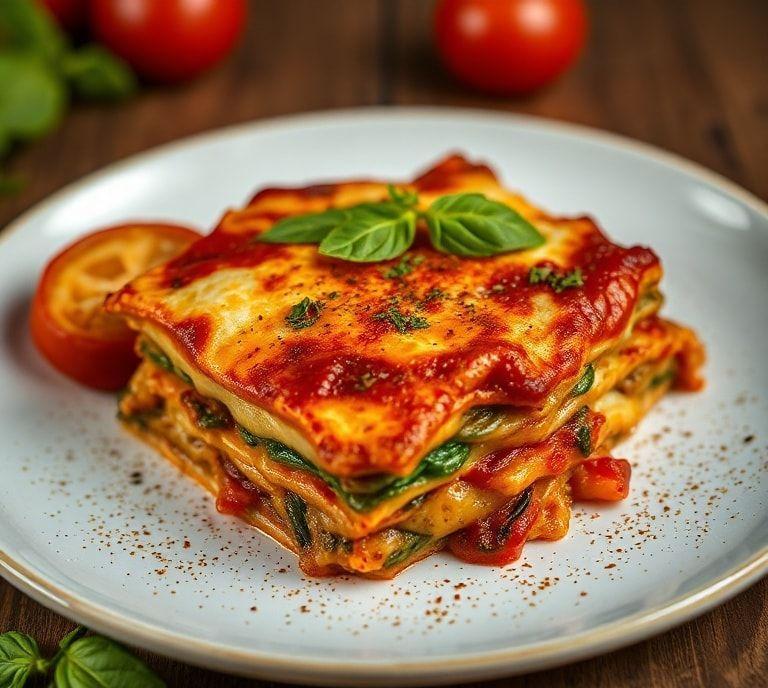
If you’ve ever tried Gordon Ramsay’s take on a vegetarian lasagna, you already know it’s a step up from the usual. What makes his recipe stand out is the balance of flavors-rich ricotta, roasted vegetables, and a tangy, deeply flavored tomato sauce that elevates the entire dish. While traditional lasagna might be packed with meat and cheese, Gordon’s version focuses on textures, colors, and flavors that feel both decadent and lighter. It’s perfect for a family dinner or a cozy meal for one, depending on your mood.
The best part? It’s not overly complicated. Sure, there are a few steps involved, but they’re all manageable, and the result is worth every minute.
Ingredients Needed
Here’s what you’ll need to bring Gordon Ramsay’s vegetarian lasagna to life:
- Lasagna sheets (either fresh or dry, though I recommend fresh for that soft, delicate texture)
- Olive oil (extra virgin for the best flavor)
- Onion (1 medium, finely chopped)
- Garlic (3 cloves, minced)
- Zucchini (2 medium, sliced)
- Eggplant (1 large, sliced into rounds)
- Red pepper (1 large, diced)
- Spinach (200g fresh, or you can use frozen if fresh isn’t available)
- Ricotta cheese (250g)
- Mozzarella cheese (250g, grated)
- Parmesan cheese (for sprinkling between the layers)
- Canned tomatoes (2 cans, crushed or whole that you can mash yourself)
- Basil (fresh, for garnish and to mix into the sauce)
- Red wine (optional but adds a depth of flavor to the sauce)
- Salt and pepper (to taste)
- Fresh thyme (optional, for a bit of herby punch)
Cooking Instructions
Now comes the fun part. Here’s how you’ll layer all these beautiful ingredients into something that’ll make your taste buds dance:
-
Preheat The Oven & Roast The Veggies
Start by preheating your oven to 200°C (about 400°F). While it’s heating up, take your eggplant, zucchini, and red pepper and toss them in a bit of olive oil, salt, and pepper. Spread them out on a baking sheet and roast them for about 20 minutes, turning halfway through. This brings out the sweetness of the vegetables and gives them that slightly charred flavor that adds complexity.
-
Make The Tomato Sauce
While the vegetables are roasting, heat some olive oil in a pan over medium heat. Add your onions and garlic, cooking until softened and fragrant-about 5 minutes. If you’re feeling bold, a splash of red wine at this point can add a nice depth to the sauce. Stir in your crushed tomatoes, a pinch of salt, pepper, and fresh thyme, and let it simmer for 15-20 minutes. Add basil at the end for that aromatic lift.
-
Prepare The Spinach & Cheese Mix
In a separate pan, sauté your spinach until it wilts (if using fresh) or just defrost and drain it if it’s frozen. Mix the spinach with your ricotta and a little parmesan. Season with salt and pepper, and that’s your creamy layer ready to go.
-
Assemble The Lasagna
In a baking dish, spread a thin layer of your tomato sauce to start. Then, place your lasagna sheets (fresh or pre-cooked) on top. Layer on some roasted vegetables, then add a generous amount of your spinach and ricotta mixture. Sprinkle mozzarella over it all. Repeat these layers until you’re out of ingredients, finishing with a top layer of tomato sauce and mozzarella.
-
Bake & Serve
Pop the dish in the oven and bake for 30-35 minutes, or until it’s golden and bubbly. Let it rest for 10 minutes before serving, so it sets nicely and isn’t too runny.
Ingredient Science Spotlight
Let’s pause for a minute and talk about the magic behind a few key ingredients in this dish:
- Eggplant – Often overlooked, eggplant adds a meaty texture to vegetarian dishes. It’s spongy, which makes it perfect for soaking up the rich tomato sauce and the olive oil when roasting. Plus, it has a subtle, earthy flavor that balances the other more vibrant ingredients.
- Ricotta Cheese – Known for its mild, creamy texture, ricotta acts as a binding agent for the spinach. It’s not as heavy as other cheeses like cream cheese, but it still provides that essential creamy mouthfeel we all crave in a lasagna.
- Spinach – Packed with iron and vitamins, spinach doesn’t just contribute to the nutritional value of the dish-it also provides a deep, earthy flavor that contrasts wonderfully with the sweetness of the roasted veggies and the acidity of the tomatoes.
Expert Tips
- Use Fresh Lasagna Sheets: While dried lasagna works, fresh sheets really take the dish to the next level. They cook faster and give the final dish that soft, almost melt-in-your-mouth texture.
- Rest Before Cutting: Allowing your lasagna to sit for 10 minutes after it’s out of the oven is a simple step that prevents the sauce from spilling out when you cut into it. It also helps the flavors settle and blend together even more.
- Don’t Skip the Cheese Layering: Some people throw all the cheese on top, but layering it between the vegetable and spinach mix adds richness and ensures each bite has a bit of cheese in it.
Recipe Variations
This recipe is flexible, so feel free to make it your own. A few ways to customize it:
- Swap in Different Veggies: If eggplant isn’t your thing, consider using mushrooms or butternut squash for a unique flavor profile.
- Add Pesto: Mix a little basil pesto into the ricotta for an extra burst of flavor that pairs beautifully with the roasted vegetables.
- Vegan Version: You can easily make this dish dairy-free by replacing the ricotta and mozzarella with vegan alternatives. Cashew-based ricotta is a great option for the creamy texture.
- Add a Bechamel Sauce: If you want a richer, more traditional lasagna, consider layering in a béchamel sauce for an extra creamy, luxurious experience.
Final Words
At the end of the day, cooking is about enjoyment and the satisfaction of creating something delicious. Gordon Ramsay’s vegetarian lasagna hits all the right notes-a perfect balance of flavors, textures, and nutrients. It’s hearty, without being overwhelming. The roasted vegetables lend a sweetness, while the tomato sauce provides acidity and depth. The creamy ricotta and mozzarella make it all come together, creating layers of deliciousness that satisfy every bite.
FAQs
What Vegetables Are Included In Gordon Ramsay’s Vegetarian Lasagna Recipe?
Gordon Ramsay’s vegetarian lasagna recipe typically includes a variety of vegetables such as mushrooms, zucchini, spinach, and bell peppers. These vegetables are sautéed to develop a rich, flavorful base for the lasagna layers.
Can I Make Gordon Ramsay’s Vegetarian Lasagna Gluten-free?
Yes, you can make Gordon Ramsay’s vegetarian lasagna gluten-free by substituting regular lasagna noodles with gluten-free pasta sheets. Additionally, ensure that any pre-made sauces or ingredients, such as the béchamel sauce, are free from gluten.
How Do I Make The Ricotta Filling For Gordon Ramsay’s Vegetarian Lasagna?
The ricotta filling in Gordon Ramsay’s vegetarian lasagna is made by mixing ricotta cheese with spinach, egg, garlic, and a bit of nutmeg. This creates a creamy, flavorful filling that complements the vegetable layers and the béchamel sauce.