There’s something deeply comforting about a good hash. It’s a dish that feels like it’s meant to be enjoyed at the table with friends, or even just in the quiet of your kitchen on a lazy weekend morning. The beauty of a hash lies in its versatility: you can make it your own with just a few simple ingredients and a little creativity. But what if I told you that you could enjoy that crispy, golden-brown goodness without the meat? Enter the vegetarian hash-a vibrant, hearty, and satisfying take on the classic that packs all the flavor and none of the animal products.
I’ve always loved hashes, but there was a time when I’d be searching the fridge for leftover vegetables or maybe some beans, unsure if it would come together. Eventually, I learned that a great vegetarian hash doesn’t need to be complicated-it just needs the right mix of textures and flavors. It’s about using what’s in season, experimenting with spices, and making the most of the simple vegetables that can turn into something extraordinary when prepared the right way.
So, if you’re looking to create a plant-based twist on the classic hash, let’s dive in and explore how you can make a vegetarian hash that’s both comforting and full of surprises.
Vegetarian Hash Recipe
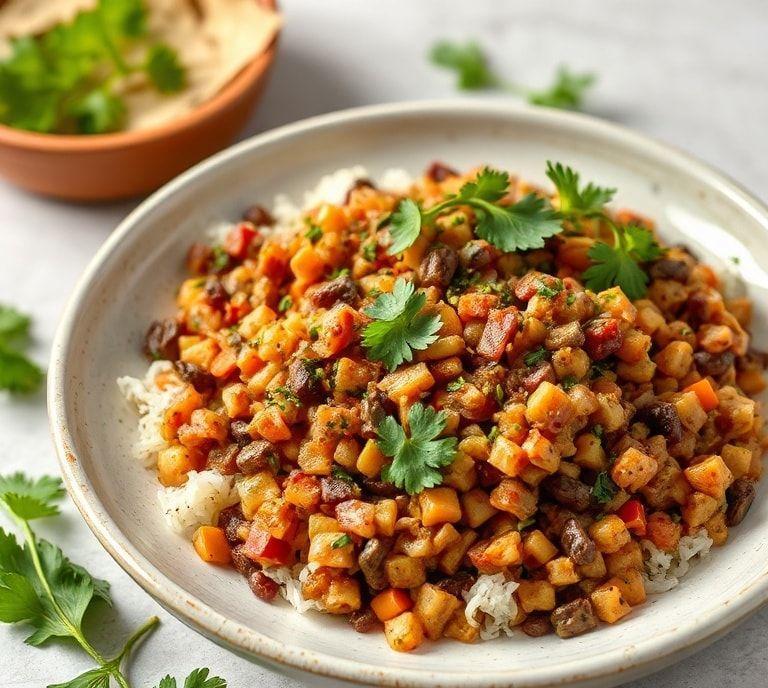
There’s no one way to make a vegetarian hash, but this recipe is one of my favorites because it highlights the best of what’s in season and focuses on ingredients that bring depth and richness. Whether you’re serving it for breakfast or as a quick weeknight dinner, this hash is sure to satisfy.
Ingredients Needed
The great thing about a hash is that you can use whatever you have in your fridge or pantry-there are no hard rules. However, here are the basics to get you started:
- 2 medium potatoes (I prefer Yukon Gold, but any waxy potato works well)
- 1 medium red bell pepper (feel free to swap in green, yellow, or even poblano for a different flavor)
- 1 medium onion (yellow or red)
- 1 zucchini (this adds a nice, fresh flavor and a bit of moisture)
- 2 cloves of garlic (because garlic makes everything better)
- 1/2 cup of frozen peas (or fresh, if you’ve got them)
- 1 tablespoon olive oil (for that perfect crispy base)
- 1 teaspoon smoked paprika (it adds a smoky, earthy vibe to the whole dish)
- 1/2 teaspoon turmeric (for color and a gentle, peppery warmth)
- Salt and pepper (to taste)
- Fresh herbs (like parsley or cilantro) (optional but highly recommended for a pop of freshness)
Optional add-ins:
- 1/2 cup cooked quinoa or farro (for extra protein and texture)
- 1 avocado (for creaminess)
- Hot sauce or salsa (if you like things spicy)
Cooking Instructions
- Prep your vegetables. Start by washing and peeling the potatoes (unless you like to leave the skins on). Cut them into small cubes so they cook quickly and evenly. Chop your bell pepper, onion, zucchini, and garlic into bite-sized pieces. If you’re using any grains like quinoa, have that cooked and ready to go.
- Cook the potatoes. Heat a large skillet over medium heat and add the olive oil. Once the oil is hot, toss in the cubed potatoes. Season with a little salt and pepper, and let them cook, stirring occasionally, until they’re golden brown and crispy-about 10-12 minutes.
- Add the veggies. Once the potatoes are crispy, push them to one side of the pan and add the onions and bell peppers. Sauté them until they begin to soften, about 3-5 minutes. Then add the garlic and zucchini, and cook for another 3 minutes until everything is tender.
- Season. Stir in the smoked paprika, turmeric, and any other spices you like. The heat from the pan will release the flavors of the spices, creating a fragrant base for the dish. Add the peas (they don’t need long to cook, just a minute or two).
- Optional grains. If you’re adding cooked quinoa or farro, toss them in now and stir everything together. Let it heat through and get well-combined.
- Finish it up. Taste the hash, and adjust the seasoning with more salt, pepper, or spices as needed. Serve hot, and top with fresh herbs, a slice of avocado, and a drizzle of hot sauce if that’s your vibe.
Ingredient Science Spotlight
One of the things that makes this vegetarian hash so delicious-and nutritious-is the combination of simple, everyday ingredients. Let’s break down a few of them:
- Potatoes are the backbone of any hash. Their starch gives the dish its satisfying texture. The key is to get the potatoes crispy without burning them. This is why I recommend dicing them small and cooking them in a bit of oil to get that beautiful, golden exterior while keeping the inside soft.
- Smoked paprika isn’t just for flavor. The smoky notes actually play with the other ingredients in a way that elevates them, making the hash feel like it has more depth than just sautéed veggies. It’s almost like a secret weapon in the dish.
- Turmeric is one of those spices that doesn’t get enough love outside of curries. But in a vegetarian hash, it’s what adds that gentle warmth without overpowering the other flavors. It also gives the dish that beautiful golden color. Plus, turmeric has anti-inflammatory properties, so you’re getting a little health boost with every bite.
- Frozen peas are one of those underappreciated pantry staples. They cook quickly, add a nice burst of color, and bring a sweet freshness that contrasts perfectly with the savory vegetables. Plus, they’re packed with protein and fiber.
Expert Tips
- Make it crispy: For the perfect hash, you want crispy bits throughout. Don’t crowd the potatoes in the pan, or they’ll steam instead of crisping up. If necessary, cook them in batches.
- Use leftovers: Hash is one of those dishes that gets even better with leftovers. If you’ve got some extra roasted vegetables or grains from dinner the night before, throw them in the pan and give them a quick reheat with the other ingredients.
- Mix in a protein: If you’re looking to make this a more filling meal, adding protein can take it to the next level. Consider throwing in some crumbled tempeh or tofu, or even a couple of scrambled eggs on top.
- Spice it up: If you like a little heat, don’t shy away from adding a bit of chili powder or red pepper flakes. It complements the sweetness of the potatoes and the smokiness of the paprika.
Recipe Variations
One of the best things about vegetarian hash is that it’s endlessly customizable. Here are a few fun variations to play around with:
- Sweet potato hash: Swap out the regular potatoes for sweet potatoes. Their natural sweetness balances beautifully with the smoky spices and savory vegetables. You can even add a handful of spinach or kale for extra greens.
- Mediterranean-style hash: Use eggplant, tomatoes, and olives as your base, and add a sprinkle of feta or a dollop of hummus. This gives the hash a bright, Mediterranean flair.
- Breakfast hash: For a more traditional breakfast-style hash, throw in some veggie sausage and top the whole dish with a fried egg or two. The egg adds richness and ties the whole thing together.
- Spicy Southwest hash: Add black beans, corn, and some chili powder or cumin. Top it with avocado, a squeeze of lime, and maybe some fresh cilantro for a zesty twist.
Final Words
A vegetarian hash is one of those meals that feels like home no matter where you are. It’s the kind of dish that, whether you make it for breakfast, lunch, or dinner, just feels like a warm embrace. And the best part? You can play around with it-switch up the vegetables, the spices, or even add in a protein-and each time, it’ll taste just as satisfying.
It’s a dish that can be as simple or as extravagant as you want it to be. There’s no right or wrong way to make it. In fact, the beauty of hash is in the freedom to make it your own.
FAQs
What Vegetables Can I Use For A Vegetarian Hash?
You can use a variety of vegetables for a vegetarian hash, including potatoes, bell peppers, onions, mushrooms, zucchini, sweet potatoes, and spinach. The key is to use vegetables that hold up well to sautéing and can create a crispy texture. Feel free to mix and match based on your personal preferences or what you have on hand.
How Do I Make The Hash Crispy Without Using Meat?
To achieve a crispy texture without meat, ensure that your vegetables are diced evenly and cooked in a hot skillet with a bit of oil. Allow the vegetables to sit in the pan for a few minutes before stirring, letting them crisp up. You can also use techniques like pressing the vegetables down lightly with a spatula or adding a small amount of cornstarch to help with crisping.
Can I Make A Vegetarian Hash Ahead Of Time And Reheat It?
Yes, you can make vegetarian hash ahead of time. Once it’s cooked, let it cool completely and store it in an airtight container in the fridge for up to 3-4 days. To reheat, use a skillet over medium heat, adding a small amount of oil to crisp it up again. You can also reheat it in the microwave, but the texture may not be as crispy.