There’s something profoundly satisfying about creating a meal that’s not just nourishing, but also a joy to prepare and share. For me, cooking has always been a bit of an art-an expression of creativity, love, and sometimes, just pure practicality when the week has been too chaotic to leave time for anything extravagant. A go-to recipe in my kitchen that fits the bill of being healthy, easy, and flavorful is the Vegetarian Protein Bowl.
Now, I know, "protein bowl" might sound a little buzzword-y, but when you break it down, it’s just a simple, hearty combination of plant-based goodness that ticks all the boxes. It’s got that satisfying balance of fiber, protein, and vitamins that leaves you feeling full, not sluggish. You can toss whatever you like into it, but the formula remains the same: wholesome, nutrient-dense ingredients, cooked to perfection and assembled in a way that looks as beautiful as it tastes.
If you’re someone who loves meal prepping, this recipe is fantastic. You can easily make extra portions, and the leftovers hold up well in the fridge for the next day or two. For me, the beauty of these bowls is in the variety-you can swap ingredients based on what you’ve got on hand or what’s in season, and the bowl will always come together as something delicious. So let’s dive into the recipe, shall we?
Vegetarian Protein Bowl Recipe
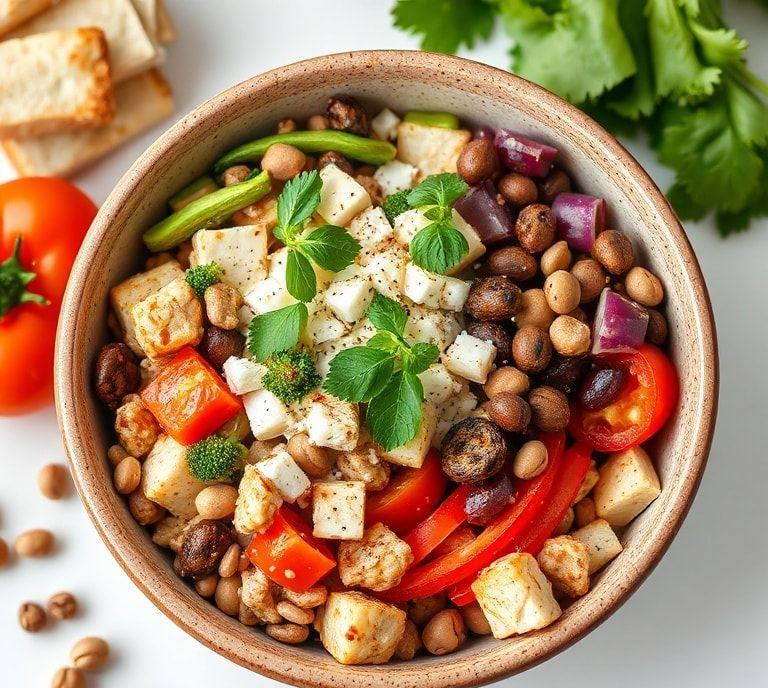
Here’s how I make my vegetarian protein bowl, and I’ve found it to be versatile, customizable, and most importantly, delicious. The base of this recipe is pretty simple, but it’s all about layering flavors and textures. A great bowl is built on a foundation of grains, a healthy fat, a plant-based protein source, and plenty of fresh vegetables to add crunch and nutrition.
You’ll need some essential components, but this is a recipe you can easily make your own based on your preferences or dietary needs. Whether you like adding a creamy avocado, a zesty lemon dressing, or a sprinkling of roasted nuts for extra crunch, there’s a lot of room for personal touches here.
Ingredients Needed
Here’s a list of what I usually use for a classic vegetarian protein bowl. Feel free to get creative-this is a guideline, not a rulebook.
- 1 cup cooked quinoa or brown rice – I love quinoa for its protein content and nutty flavor, but rice works just as well if you prefer something more neutral.
- ½ cup chickpeas (or other legumes, like black beans or lentils) – These are your protein-packed stars. I always roast them for a little extra flavor and texture.
- 1 cup steamed broccoli – High in vitamins and fiber, broccoli adds a bit of bite and a green punch.
- ½ cup cherry tomatoes, halved – Sweet, juicy, and colorful.
- ½ avocado – This provides that creamy texture that makes the bowl extra satisfying.
- A handful of mixed greens (spinach, arugula, or kale) – For freshness and a nutrient boost.
- 2 tablespoons tahini or hummus – A drizzle of tahini or a dollop of hummus ties everything together with a rich, nutty flavor.
- Lemon juice and olive oil – For a fresh, bright dressing.
- Salt and pepper to taste – Never forget the seasoning!
Cooking Instructions
- Prepare your grains: Start by cooking your quinoa or rice. For quinoa, rinse it well before cooking to get rid of the bitter coating. You can cook it in water or vegetable broth to add more flavor. Follow the package instructions for a fluffy, perfectly cooked grain.
- Roast your chickpeas: Preheat your oven to 400°F (200°C). Drain and rinse your chickpeas, then toss them with a little olive oil, salt, pepper, and any spices you like (paprika, cumin, garlic powder, and a pinch of chili flakes work wonderfully). Spread them in a single layer on a baking sheet and roast for about 25-30 minutes, shaking the pan halfway through, until they’re crispy and golden.
- Steam the broccoli: While the chickpeas are roasting, steam your broccoli florets for 5-7 minutes, just until they’re tender but still vibrant. You can steam them over a pot of boiling water or use a microwave-safe bowl with a lid, adding a little water and covering it. The key is to not overcook them.
- Assemble the bowl: Once everything is ready, it’s time to assemble your bowl. Start with the cooked quinoa or rice as the base. Add your roasted chickpeas, steamed broccoli, cherry tomatoes, and greens on top. Slice your avocado and arrange it neatly in the bowl. Then, drizzle some tahini or hummus over everything, squeeze some fresh lemon juice, and add a drizzle of olive oil.
- Season and enjoy: Season with salt, pepper, and any additional spices you like. A sprinkle of sesame seeds or chopped herbs can be a nice touch. Now you’re ready to enjoy a perfectly balanced, colorful, and satisfying meal!
Ingredient Science Spotlight
Every ingredient in this bowl isn’t just there for flavor; it brings something special to the table in terms of nutrition too. Let’s break it down:
- Quinoa: Quinoa is technically a seed, but it’s treated like a grain. What sets it apart from other grains is its protein content-it’s one of the few plant foods that’s a complete protein, meaning it contains all nine essential amino acids. This makes it a fantastic option for vegetarians and vegans looking to boost their protein intake.
- Chickpeas: Chickpeas are another plant-based protein powerhouse. They’re rich in fiber, which aids in digestion and helps you feel full longer. Plus, they’re packed with vitamins and minerals like folate, iron, and magnesium.
- Broccoli: This cruciferous vegetable is a fantastic source of vitamins C, K, and A. It’s also loaded with antioxidants that support your immune system and may help reduce inflammation in the body. Don’t forget that it’s great for heart health too!
- Avocado: Avocados are full of healthy fats, specifically monounsaturated fats, which are great for your heart. They’re also high in potassium, which helps with muscle function and balancing electrolytes in your body.
- Tahini: Made from ground sesame seeds, tahini is a rich source of healthy fats, vitamins, and minerals like magnesium and calcium. It adds a creamy texture to the bowl while providing essential nutrients.
Expert Tips
- Texture is key: You want a balance of different textures in your bowl. The quinoa or rice provides a hearty base, while the chickpeas offer crunch, the broccoli offers a slight bite, and the avocado adds smooth creaminess. Varying textures will keep every bite exciting.
- Add some extra crunch: If you love crunch (who doesn’t?), add some roasted nuts like almonds, sunflower seeds, or pumpkin seeds to the top of your bowl. They’ll bring an extra layer of flavor and texture.
- Make it ahead: This recipe is perfect for meal prepping. The ingredients hold up well in the fridge for a couple of days, so you can make a large batch of quinoa and roasted chickpeas, and just assemble the bowls when you’re ready to eat.
- Season well: Don’t be afraid to add more than just salt and pepper. A sprinkle of smoked paprika or cumin on the chickpeas, or a squeeze of lime over the top can elevate the flavor profile significantly.
Recipe Variations
The beauty of this bowl is its versatility. Here are some variations you can try:
- Swap out grains: If quinoa or rice isn’t your thing, try farro, barley, or couscous. Each of these grains offers a different texture and flavor.
- Change up the protein: If chickpeas aren’t your favorite, try black beans, lentils, or even tempeh. All of these are packed with protein and will hold up well in the bowl.
- Add roasted sweet potatoes: For a heartier, slightly sweet touch, try roasting cubed sweet potatoes with olive oil, salt, and pepper. They’ll add warmth and richness to your bowl.
- Switch up the dressing: Instead of tahini, try a lemon-tahini dressing or a balsamic glaze. A simple olive oil and lemon dressing with some mustard can also add a tangy kick.
Final Words
When it comes down to it, the Vegetarian Protein Bowl is all about balance. It’s not about perfection or sticking to a rigid set of ingredients, but about what works for you in that moment. It’s flexible, customizable, and offers endless possibilities for different flavors and textures. Whether you’re looking for a quick lunch or a nutrient-dense dinner, this bowl has got you covered.
And, honestly, there’s something about the act of arranging these ingredients together-creating something both visually pleasing and nourishing-that makes the whole process feel like a little personal ritual. A reminder that taking time to eat well can also be a form of self-care.
FAQs
What Are The Best Protein Sources For A Vegetarian Protein Bowl?
The best protein sources for a vegetarian protein bowl include legumes such as chickpeas, black beans, and lentils; soy products like tofu and tempeh; quinoa, which is a complete protein grain; edamame; seitan; and nuts or seeds such as almonds, pumpkin seeds, and hemp seeds. Combining multiple protein sources can ensure a well-rounded amino acid profile.
How Can I Make A Vegetarian Protein Bowl More Flavorful Without Adding Meat?
You can enhance the flavor of a vegetarian protein bowl by using a variety of spices, herbs, and sauces. For example, roasting vegetables with garlic, paprika, and cumin adds depth, while fresh herbs like cilantro, parsley, or basil bring brightness. Adding a tangy element such as lemon juice, lime juice, or a drizzle of tahini-based dressing can also elevate the taste without relying on meat.
Can A Vegetarian Protein Bowl Provide Enough Protein For A Meal?
Yes, a well-balanced vegetarian protein bowl can provide sufficient protein for a meal. By combining high-protein ingredients such as beans, lentils, tofu, tempeh, or quinoa with vegetables and healthy fats like avocado or seeds, you can create a meal that supplies 20-30 grams of protein or more, depending on portion sizes. Adjusting the combination and quantity of protein sources ensures it meets individual dietary needs.