
When it comes to Chinese food, we often think of rich, flavorful dishes loaded with savory sauces, crispy textures, and vibrant vegetables. But as someone who’s always been drawn to plant-based meals, I was on the lookout for ways to enjoy those same comforting flavors-without the meat.
For years, I’ve been tinkering with recipes in my kitchen, blending the aromatic ingredients of Chinese cuisine with vegetarian twists. This vegetarian Chinese food recipe I’m sharing today is one I keep coming back to. It’s simple, yet packed with layers of taste, and perfect for a quick weeknight meal or a more leisurely weekend dinner. The best part? It’s a satisfying alternative to some of those heavy meat-based options we often find in Chinese takeout.
So, if you’re ready to give your tastebuds a burst of flavor and warmth with a meal that’s wholesome and satisfying, let’s dive in!
Vegetarian Chinese Food Recipe: Stir-Fried Tofu With Vegetables
This stir-fry is one of those dishes that feels just as indulgent as any classic Chinese takeaway meal. With a combination of crisp vegetables, soft tofu, and a rich, umami-packed sauce, it’s the perfect balance of textures and flavors. Plus, it’s surprisingly easy to make. Once you get the hang of the cooking techniques and flavors, you’ll find yourself whipping this up on a regular basis.
Ingredients Needed
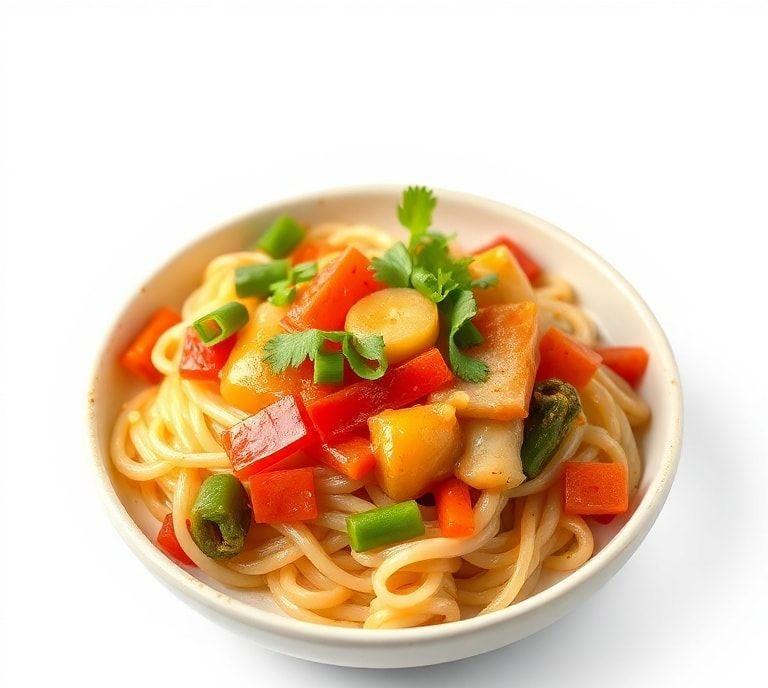
To make this stir-fry, you’ll need a few key ingredients. Some of these might be pantry staples if you’re already familiar with Chinese cooking, while others might be a bit more niche, but trust me-they make all the difference.
- Firm tofu (1 block, about 14 ounces): I know tofu can seem intimidating, but it’s surprisingly versatile, especially when you press it to get rid of excess moisture.
- Red bell pepper (1, sliced thinly): Sweet and slightly tangy, the red pepper adds a pop of color and a subtle sweetness.
- Carrot (1, julienned): Adds crunch and a slight earthy sweetness that balances out the flavors.
- Broccoli florets (1 cup): Tender, green, and a wonderful contrast to the crunchier veggies.
- Onion (1 medium, sliced): For a bit of savoriness and depth to the flavor.
- Garlic (3 cloves, minced): An absolute must in any stir-fry. It brings that beautiful fragrance that fills your kitchen.
- Ginger (1-inch piece, grated): Fresh ginger provides that warming, zesty note that cuts through the richness of the tofu and sauce.
- Soy sauce (2 tablespoons): Brings in that deep, salty umami flavor. You can use tamari for a gluten-free version.
- Rice vinegar (1 tablespoon): A splash of acidity to balance out the savory flavors and brighten everything up.
- Sesame oil (2 teaspoons): Adds that deep, nutty aroma and flavor.
- Cornstarch (1 tablespoon): To help thicken the sauce and give the tofu a slightly crispy texture when sautéed.
- Brown sugar (1 teaspoon): Just a hint of sweetness to round out the savory and tangy notes.
- Chili paste (optional, 1 teaspoon): For those who like a little kick! If you prefer it milder, feel free to skip this or dial it back.
Cooking Instructions
- Prepare the tofu: Press your tofu to remove any excess water (this is crucial for getting a crispy texture). Once pressed, cut the tofu into cubes. Coat the cubes in a thin layer of cornstarch, which will help them crisp up nicely when fried.
- Stir-fry the tofu: Heat a tablespoon of sesame oil in a large skillet or wok over medium-high heat. Once the oil is hot, add the tofu cubes and fry them for about 5-7 minutes, turning occasionally, until they are golden and crispy on all sides. Remove the tofu from the pan and set aside.
- Sauté the vegetables: In the same pan, add a little more sesame oil if needed. Toss in the garlic, ginger, and onions, and sauté for about 2 minutes until fragrant. Then add the red pepper, carrot, and broccoli. Stir-fry the veggies for another 5-6 minutes, or until they are tender but still crisp.
- Make the sauce: In a small bowl, mix together the soy sauce, rice vinegar, brown sugar, and chili paste (if using). Stir well until the sugar is dissolved.
- Combine everything: Return the tofu to the pan with the vegetables. Pour the sauce over everything, and gently toss to coat. Let it all simmer for another 2-3 minutes, allowing the sauce to thicken and the flavors to meld together.
- Serve: Once everything is well coated and heated through, remove from heat. Serve over steamed rice or noodles, and enjoy!
Ingredient Science Spotlight: The Magic Of Tofu
Tofu is one of those ingredients that’s often misunderstood, but when you get to know it, it’s like an edible sponge that soaks up flavor and adds a wonderful texture to dishes. The key to getting it right is pressing it to remove excess water. This step is essential because it helps the tofu hold its shape and absorb all the seasonings. Without pressing, tofu can turn out too soft and watery.
Additionally, the cornstarch coating creates a delicate crisp on the outside while keeping the inside soft and silky. This contrast in texture is part of what makes this dish so satisfying-there’s something about the combination of crispy tofu, crunchy vegetables, and rich sauce that hits all the right notes.
Expert Tips
- Pressing tofu: If you don’t have a tofu press, just wrap your block of tofu in a clean kitchen towel, place it on a plate, and put something heavy (like a can of beans) on top. Let it sit for 10-15 minutes.
- Customize the veggies: Don’t feel locked into the veggies I’ve used here. Feel free to swap out the carrots, peppers, or broccoli for whatever you have on hand. Mushrooms, snap peas, and baby corn all make great substitutes.
- Tofu tips: If you want a crispier tofu, you can bake it in the oven at 400°F for about 25-30 minutes, flipping halfway through. This method is less hands-on than frying and works great for meal prep.
Recipe Variations
- Spicy stir-fry: For those who like their dishes with a bit more heat, add a tablespoon of sriracha or more chili paste to the sauce. You could also sprinkle some crushed red pepper flakes on top for an extra kick.
- Sweet and sour tofu: Switch up the sauce by adding a bit of pineapple juice, ketchup, and a little extra sugar to create a tangy, sweet glaze.
- No tofu? No problem! You can replace the tofu with tempeh, seitan, or even just a medley of extra vegetables like eggplant or zucchini for a lighter take.
- Add nuts: Cashews or peanuts can add a lovely crunch and extra protein. Toss them in just before serving to keep them crunchy.
Final Words
This vegetarian stir-fry has become one of my go-to meals for a reason. It’s incredibly flexible and easily customizable depending on what I’ve got in my fridge or pantry. The tofu offers that satisfying protein component, while the veggies add both flavor and texture. Best of all, it’s a quick fix for when you’re craving something hearty but want to keep things light and plant-based.
FAQs
What Are Some Common Ingredients Used In Vegetarian Chinese Food Recipes?
Vegetarian Chinese food recipes often feature a variety of vegetables such as bok choy, bell peppers, mushrooms, and carrots, along with tofu or tempeh for protein. Common seasonings include soy sauce, ginger, garlic, rice vinegar, sesame oil, and hoisin sauce. For texture and flavor, dishes may include ingredients like water chestnuts, bamboo shoots, and Chinese five-spice powder.
Can I Substitute Tofu In Vegetarian Chinese Recipes With Other Plant-based Proteins?
Yes, tofu can be substituted with various plant-based proteins in vegetarian Chinese recipes. Tempeh, seitan, and textured vegetable protein (TVP) are excellent alternatives that provide a similar texture and protein content. For a different flavor profile, you can also use legumes like chickpeas or edamame. However, note that each substitute may require slight adjustments in cooking time or seasoning.
How Do I Make Vegetarian Chinese Food Recipes More Flavorful Without Using Meat?
To enhance the flavor of vegetarian Chinese dishes without using meat, focus on balancing savory, sweet, salty, and umami tastes. Use soy sauce, miso paste, and hoisin sauce for umami, and experiment with spices like Chinese five-spice, star anise, and Szechuan peppercorns. Adding a variety of textures-such as crispy vegetables, stir-fried mushrooms, or braised tofu-can also elevate the dish. Incorporating fermented ingredients like black bean paste or pickled vegetables can further deepen the flavor.