There are few dishes as comforting and indulgent as a bowl of creamy fettuccine alfredo. It’s one of those meals that immediately brings to mind a cozy night in, perhaps a glass of wine, and a deliciously rich plate of pasta. But what happens when you want to enjoy all that decadence without the cream and butter, or simply when you’re trying to eat more plant-based meals? Well, the answer is simple: Vegetarian Fettuccine Alfredo.
I first stumbled across this dish years ago when I was trying to navigate a few dietary changes. I’ve always loved fettuccine alfredo, but after switching to a vegetarian diet, I found it tricky to replicate that velvety, creamy texture without the usual heavy hitters like heavy cream and parmesan. After a little trial and error, I finally figured out a combination that is as satisfying and rich as the traditional version-but with none of the guilt. The key, as I soon discovered, is getting creative with plant-based ingredients that can deliver a similarly lush mouthfeel, without compromising on flavor.
This recipe has become one of my go-to meals, not just for its vegetarian goodness, but because it’s quick, easy, and guaranteed to impress anyone who’s at the table. Whether you’re a longtime vegetarian or just trying to switch things up for a meatless Monday, this dish is perfect for any occasion.
Vegetarian Fettuccine Alfredo Recipe
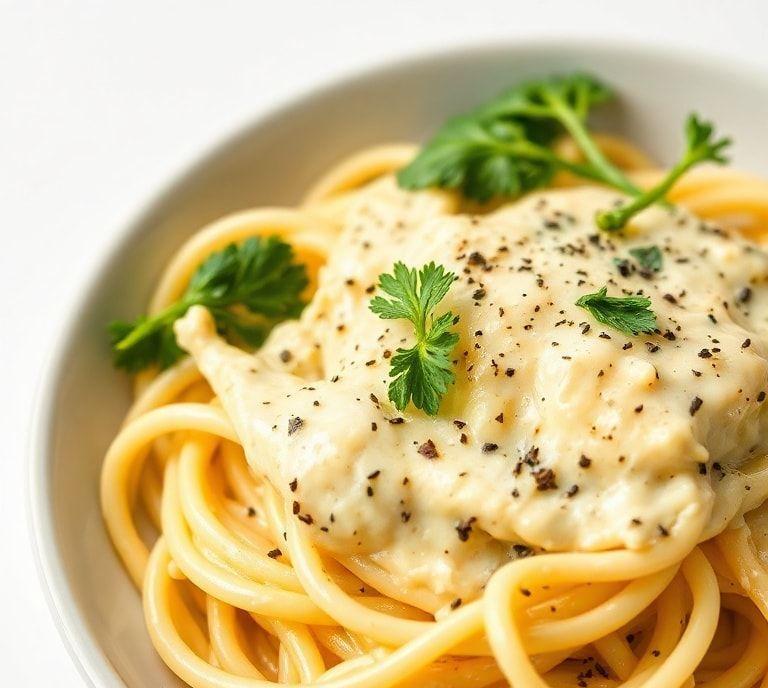
This vegetarian version of fettuccine alfredo swaps the heavy cream and cheese for a silky plant-based sauce that still delivers that rich, satisfying mouthfeel we crave. But instead of feeling sluggish after the meal, you’ll feel nourished, with the satisfaction of having eaten something wholesome, without sacrificing any of the flavor.
Ingredients Needed
Before you start cooking, you’ll want to gather these simple ingredients:
- 12 oz fettuccine pasta (choose a high-quality or whole wheat variety if you prefer a healthier twist)
- 1 tablespoon olive oil
- 1 small onion, finely chopped
- 3 cloves garlic, minced
- 1 cup cauliflower florets (fresh or frozen)
- 1 cup unsweetened almond milk (or any plant-based milk of your choice)
- 1 tablespoon nutritional yeast (for a cheesy flavor)
- 2 tablespoons tahini (adds creaminess and depth)
- Juice of half a lemon
- Salt and pepper (to taste)
- Fresh parsley (for garnish, optional)
I love this ingredient list because it’s straightforward yet versatile. You can easily swap in other vegetables like zucchini or sweet potato if cauliflower isn’t your thing, and the tahini can be swapped for cashew cream for an even richer texture.
Cooking Instructions
- Cook the Pasta: Bring a large pot of salted water to a boil. Add the fettuccine pasta and cook according to the package instructions, typically about 8-10 minutes for al dente. Once cooked, drain and set aside, reserving about a cup of pasta water to adjust the sauce consistency later.
- Prepare the Sauce: In a large pan, heat the olive oil over medium heat. Add the chopped onion and garlic, sautéing until soft and aromatic-about 2-3 minutes. Add the cauliflower florets to the pan, cooking them until they begin to soften, about 5 minutes. If needed, add a splash of water to help the cauliflower cook through.
- Blend the Sauce: Transfer the cooked cauliflower, onion, and garlic to a blender or food processor. Add the almond milk, nutritional yeast, tahini, lemon juice, salt, and pepper. Blend until smooth and creamy. Taste, and adjust seasoning if needed. You may need to add a little more almond milk if you prefer a thinner sauce, or some reserved pasta water if you want it silkier.
- Combine Pasta and Sauce: Return the drained pasta to the pot or a large mixing bowl. Pour the sauce over the pasta and toss gently until fully coated. If the sauce is too thick, you can add some of the reserved pasta water until you reach your desired consistency.
- Serve: Plate the pasta, sprinkle with freshly chopped parsley (if using), and serve immediately. For an extra touch, a dusting of vegan parmesan or red pepper flakes adds a delightful finishing touch.
Ingredient Science Spotlight
Now, let’s take a moment to appreciate the science behind some of these ingredients. I find it fascinating how certain foods can come together to mimic the rich flavors of more traditional ingredients, without losing the essence of the dish.
- Cauliflower: The unsung hero in this recipe. While cauliflower isn’t something most people immediately associate with creamy sauces, it’s packed with water and starch, which makes it the perfect candidate for thickening and creating a velvety texture. When cooked and blended, cauliflower takes on a surprisingly smooth, neutral flavor that soaks up all the savory notes from the garlic and onion.
- Nutritional Yeast: This ingredient is a game-changer for vegetarians and vegans alike. It’s packed with B-vitamins and has a natural cheesy flavor. While it doesn’t taste exactly like cheese, its umami-rich qualities can mimic the savoriness we miss from dairy-based dishes. Plus, it’s a powerhouse of nutrients.
- Tahini: This sesame paste is usually used in hummus or dressings, but when blended with the cauliflower, it helps create a creamy, slightly nutty base for the sauce. The tahini’s richness adds depth to the dish without the need for butter or heavy cream.
Expert Tips
- Make Ahead: The sauce can be made in advance and stored in the fridge for 3-4 days. It also freezes well if you want to prepare it ahead of time. Just make sure to reheat it slowly over low heat, adding a little extra almond milk to bring it back to its creamy consistency.
- Pasta Texture: If you want to really level up your pasta game, try making your own fettuccine. It’s surprisingly easy with a pasta maker, and the freshness adds something extra to the dish.
- Adjust the Creaminess: If you prefer an even thicker sauce, you can add a bit more tahini or a few tablespoons of vegan cream cheese. On the flip side, if you want a lighter sauce, adding more pasta water is the way to go.
- Add Protein: For some extra protein, you could toss in some cooked chickpeas, sautéed tempeh, or even a handful of roasted nuts on top.
Recipe Variations
The beauty of this dish is in how easily it can be adapted. Here are a few variations to keep things interesting:
- Roasted Vegetables: Add roasted vegetables like mushrooms, butternut squash, or spinach to the dish for extra flavor and texture.
- Lemon Zest: If you’re a fan of citrus, try adding a bit of lemon zest to the sauce for a bright pop of flavor.
- Herbed Alfredo: Fresh herbs like thyme, basil, or rosemary can be added to the sauce for a fragrant touch. You could even make an herbed breadcrumb topping for a bit of crunch!
- Spicy Twist: For those who like a little heat, red pepper flakes, or a dash of hot sauce can elevate this dish to something more exciting.
Final Words
Making a vegetarian version of a classic dish like fettuccine alfredo isn’t about compromising-it’s about reimagining. When done right, the results are just as satisfying, with all the creaminess and depth you crave, minus the heaviness. This dish is comfort food for the modern eater, and it’s perfect for those days when you want something rich and indulgent, without stepping outside of your plant-based routine.
FAQs
Can I Make Vegetarian Fettuccine Alfredo Without Using Cream?
Yes, you can make a creamy vegetarian fettuccine alfredo without heavy cream by using alternatives such as whole milk, half-and-half, or plant-based milk like cashew, almond, or oat milk. To achieve the same richness, you can combine these with a roux (butter and flour) or puréed cooked cauliflower for added thickness and creaminess.
What Vegetables Pair Well With Vegetarian Fettuccine Alfredo?
Several vegetables complement fettuccine alfredo. Common choices include broccoli, spinach, peas, mushrooms, zucchini, or roasted bell peppers. Lightly sauté or steam the vegetables before adding them to the sauce to maintain texture and enhance flavor. They add color, nutrients, and a fresh contrast to the rich Alfredo sauce.
Can I Make This Recipe Vegan As Well As Vegetarian?
Yes, you can adapt vegetarian fettuccine alfredo to be fully vegan by substituting dairy ingredients. Use plant-based butter or olive oil instead of regular butter, and replace Parmesan cheese with nutritional yeast or vegan Parmesan alternatives. For the cream, use unsweetened plant-based milk combined with cashew cream or blended tofu to achieve a smooth and creamy consistency.