Sometimes, there’s nothing quite as comforting as a warm, flavorful dish that fills the kitchen with inviting aromas. That’s exactly how I feel about masala-based dishes-especially when they’re vegetarian. If you’ve ever had the pleasure of walking into an Indian kitchen, you’ll know what I mean: the combination of spices-cumin, coriander, turmeric-wafting through the air creates an almost hypnotic atmosphere. It’s not just food; it’s an experience.
This recipe for Masala Vegetarian is a personal favorite. I remember the first time I tried making it on my own. I was living in a small apartment in the city, with just a few basic kitchen tools and a sense of adventure. I didn’t have a fancy chef’s knife or even a gas stove at that time-just a humble electric one that took forever to heat up. Yet, there I was, experimenting with spices and chopping vegetables, feeling like I was embarking on a culinary journey across India. What came out of that pot was nothing short of magic, and it became my go-to recipe for when I needed comfort food.
It’s a vibrant, hearty dish that doesn’t demand a lot of work, but the flavors are complex and layered. The beauty of it is that you can customize it based on what vegetables you have on hand. No two pots of masala are exactly the same, which is part of the charm.
Masala Vegetarian Recipe
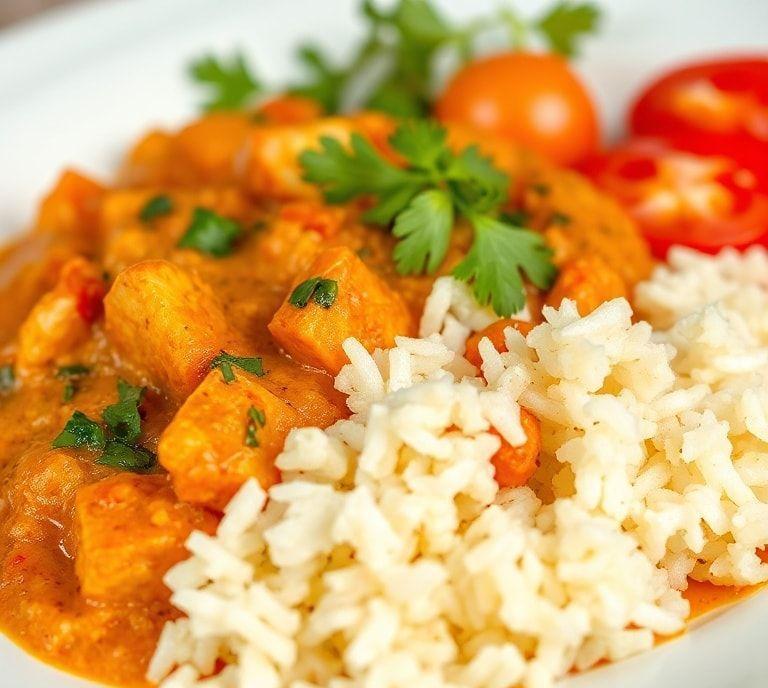
The beauty of masala vegetarian recipes lies in their simplicity and versatility. Masala refers to a mixture of ground spices, but the word can mean different things depending on context. When I first started cooking, I didn’t fully grasp how adaptable this was. You can use a blend of spices like garam masala, or you could craft your own custom mix of cumin, coriander, ginger, and garlic. Every cook has their own version, and over time, I’ve come to embrace my own twist.
My version is a go-to for weeknight dinners, but it’s also great when you want to impress someone with your cooking skills. Whether it’s the subtle heat of the chili powder or the depth brought by cumin, each bite is like a little burst of flavor and warmth.
Ingredients Needed
Here’s what you’ll need to create the magic:
- Vegetables: I use a mix of potatoes, peas, carrots, and bell peppers. You can really experiment here, though. Cauliflower works wonderfully too, or even zucchini if you prefer something lighter.
- Onions: A key base to most Indian dishes, onions provide the sweetness and richness that’s crucial for building flavor.
- Tomatoes: These help balance the spices, bringing some acidity and depth to the dish.
- Garlic & Ginger Paste: The heart of Indian cooking. It’s bold, aromatic, and totally transformative.
-
Spices
- Cumin seeds
- Coriander powder
- Turmeric powder
- Garam masala (optional)
- Chili powder (adjust to your spice tolerance)
- Cilantro leaves for garnish.
- Oil or Ghee: For frying everything and adding richness.
If you’re wondering where to start with these ingredients, I’d suggest keeping a well-stocked spice drawer. Some of these spices may seem unusual, but once you’ve got them in your kitchen, you’ll find they transform so many dishes-whether you’re making Indian food or simply want to add a little flair to everyday meals.
Cooking Instructions
- Prep Your Ingredients: Chop your vegetables into bite-sized pieces. The potatoes and carrots take a bit longer to cook, so make sure they’re cut smaller than the peppers and peas.
- Heat the Oil or Ghee: In a large pan, heat a couple of tablespoons of oil (or ghee if you have it-adds richness!). Once hot, add a teaspoon of cumin seeds. Wait for them to sizzle and pop-this is when you know the oil is ready.
- Sauté Onions and Aromatics: Add finely chopped onions and cook them until they turn golden and soft. This should take about 5 minutes on medium heat. Then add the ginger-garlic paste. Stir it around until the paste loses its raw smell-just 1-2 minutes will do.
- Add Tomatoes and Spices: Stir in the chopped tomatoes, followed by turmeric, coriander powder, and chili powder. Cook until the tomatoes soften and blend into the oil and spices. This is where the magic begins to happen-the flavors come together beautifully.
- Add the Vegetables: Toss in the potatoes, carrots, and any other veggies you’ve chosen. Give them a good stir to coat them with the spices. Add a splash of water, cover, and let them cook for about 10 minutes on low heat.
- Simmer and Finish: After 10 minutes, add the peas and bell peppers. Cover again and let everything cook for another 10 minutes. Check the veggies for doneness. They should be tender, but not mushy.
- Garnish and Serve: Once cooked, sprinkle a bit of garam masala on top and fresh cilantro leaves for a burst of freshness. Serve hot with rice, naan, or even roti.
Ingredient Science Spotlight
Let’s dive into the magic behind some of these key ingredients.
- Cumin: Cumin is often the first spice I reach for in Indian cooking. Not only does it lend an earthy, slightly smoky flavor, but it’s also packed with antioxidants. Cumin can also aid digestion, which makes it perfect for heavier meals like this one.
- Garlic and Ginger: These two are so central to Indian cooking. Ginger has natural anti-inflammatory properties and can help with digestion, while garlic is known for its antimicrobial qualities. Together, they provide an aromatic foundation that ties the whole dish together.
- Turmeric: This golden spice is more than just a pretty color. It’s been revered for centuries for its medicinal properties, especially its anti-inflammatory effects. Plus, it helps bring that signature color to the dish.
Expert Tips
- Don’t Skimp on the Sautéing: Take your time with the onions. The more you caramelize them, the more depth you’ll add to your dish.
- Adjust Spice Levels: If you’re not sure about the spice level, start small with the chili powder and gradually increase. You can always add more later.
- Add Freshness: A squeeze of lime juice just before serving can elevate the flavors and give it a fresh kick.
- Make it Ahead: Like most stews and curry-based dishes, masala vegetarian actually tastes better the next day. If you have leftovers, let them sit in the fridge overnight and reheating will make the spices even more intense.
Recipe Variations
There are endless ways to make this recipe your own.
- Add Paneer or Tofu: If you want to turn this into a more protein-packed dish, cubes of paneer or tofu work beautifully in this recipe.
- Sweet Potatoes: Swap regular potatoes for sweet potatoes for a slightly sweet twist that complements the spices.
- Leafy Greens: Spinach or kale can be added in the final stages of cooking for some added greens.
- Make it Vegan: Skip the ghee and use oil instead. It’s just as delicious.
Final Words
This masala vegetarian recipe isn’t just about throwing ingredients into a pot; it’s about creating something comforting, hearty, and full of flavor with whatever you have available. It’s also a reminder that cooking can be an adventure, even with the simplest ingredients. Each time I make it, I learn something new-whether it’s a tweak to the spices or a new combination of vegetables to try.
FAQs
What Is A Masala Vegetarian Recipe?
A masala vegetarian recipe is a dish that incorporates a blend of spices, known as masala, to enhance the flavor of vegetarian ingredients such as vegetables, legumes, tofu, or paneer. The term ’masala’ refers to a combination of ground spices, which can vary from region to region, and commonly includes cumin, coriander, turmeric, chili, and garam masala. These recipes are typically rich in flavor and aroma, providing a satisfying vegetarian alternative to traditional non-vegetarian dishes.
How Can I Make A Masala Vegetarian Recipe Healthier?
To make a masala vegetarian recipe healthier, you can focus on using fresh, seasonal vegetables and whole-food ingredients. Limit the use of excessive oil or ghee, and consider substituting cream with low-fat yogurt or coconut milk for a lighter consistency. Using whole spices rather than pre-mixed powders can also reduce sodium content while preserving flavor. Incorporating legumes, lentils, or tofu can increase protein content, making the dish more balanced and nutritious.
What Are Some Common Masala Vegetarian Recipes?
Common masala vegetarian recipes include dishes like Paneer Butter Masala, Chana Masala (spiced chickpeas), Aloo Gobi (potatoes and cauliflower), and Vegetable Korma. These dishes typically involve sautéing spices to release their aromas, then cooking vegetables or legumes in a spiced gravy or sauce. Each recipe can be adjusted in terms of spice intensity and ingredients according to taste preferences and dietary requirements.