There’s something deeply satisfying about cooking dishes that hold a piece of your heart-and even more so when they come with a story. Humba, a Filipino version of braised pork, has long been a comfort food in my family. The rich, savory flavors, combined with a hint of sweetness, create a balance that’s hard to beat. But in this recipe, I’m swapping out the pork for vegetables. Why? Because sometimes, you just want something that doesn’t leave you feeling sluggish afterward but still holds all the warm, hearty flavors of the original. This vegetarian Humba recipe is a modern twist on a classic. It’s vibrant, comforting, and totally plant-based.
I’ve spent years experimenting with plant-based alternatives to beloved dishes, and let me tell you-vegetarian Humba doesn’t just work; it thrives. The beauty of this dish lies in its flexibility. It offers all the complex, layered tastes of traditional Humba, but without the meat. This dish is proof that you don’t have to sacrifice flavor when making plant-based versions of your favorite recipes.
Let’s get cooking.
Vegetarian Humba Recipe
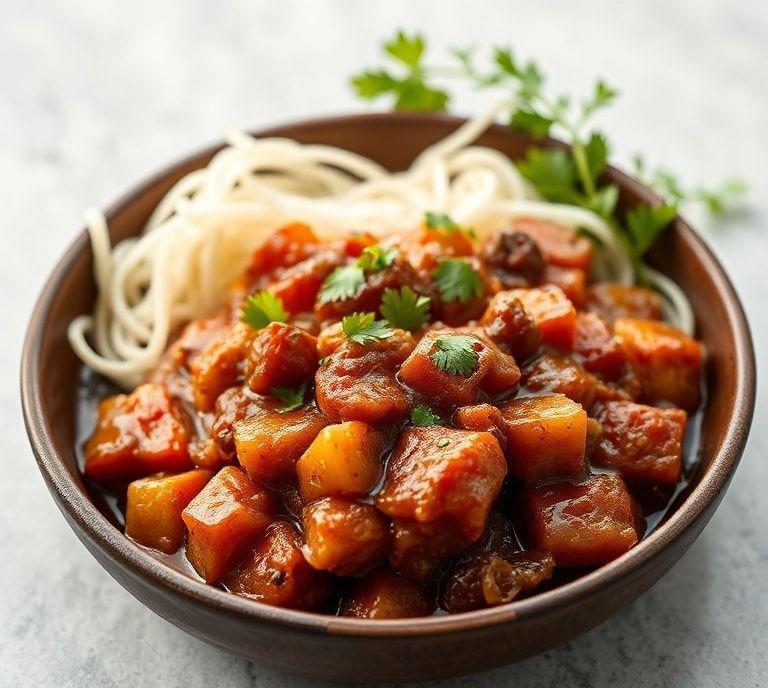
This recipe uses ingredients that are easy to find and manipulate, but the result is a dish that tastes far more sophisticated than its simple list of ingredients would suggest. Think of it as an ode to the flavors of Humba, just without the meat and with more vibrant vegetables filling in. You’ll use hearty mushrooms, for example, which lend themselves beautifully to the dish’s umami flavor, and other vegetables that soak up the aromatic braising sauce. A few tips along the way will elevate this dish to a comforting, flavor-packed meal.
Ingredients Needed
The key to a stellar vegetarian Humba is in the ingredients-fresh, flavorful, and vibrant. Here’s what you’ll need:
- 1 lb mushrooms (shiitake, portobello, or oyster mushrooms work great)
- 1 medium onion, finely chopped
- 5 cloves garlic, minced
- 2 medium potatoes, peeled and cubed
- 1 medium carrot, peeled and cut into rounds
- 1/2 cup dried black beans (or chickpeas), soaked overnight and drained
- 1/4 cup soy sauce (preferably low-sodium)
- 1/4 cup vinegar (coconut vinegar is ideal for that authentic flavor)
- 2 tablespoons brown sugar (or coconut sugar, for a more natural sweet note)
- 1/2 teaspoon salt
- 1/2 teaspoon pepper
- 1 bay leaf
- 1 cup coconut milk
- 1/2 cup water or vegetable broth
- 2 tablespoons cooking oil (like coconut or olive oil)
- Optional: A few slices of dried banana blossom for added texture and flavor
Cooking Instructions
- Prepare the Vegetables: Start by prepping all your ingredients. Slice the mushrooms into large, bite-sized pieces so they can absorb the sauce as they cook. Set them aside. Cube your potatoes and slice the carrots into thick rounds to ensure they hold their shape during cooking.
- Sauté the Aromatics: In a large pot or Dutch oven, heat the oil over medium heat. Once hot, toss in the onions and garlic. Sauté until the onions are soft and translucent, about 4-5 minutes. The smell here is already wonderful, right? The combination of garlic and onion is a great start.
- Add the Mushrooms: Add the mushrooms to the pot, stirring them until they begin to release their juices. This is a key step; the mushrooms need to sauté and brown slightly before adding liquids. That’s where the flavor deepens.
- Add the Vegetables: Now add the potatoes and carrots. Stir them in with the mushrooms and cook for another 5 minutes. The goal here is to let the vegetables absorb some of the flavor from the aromatics before adding the liquids.
- Build the Sauce: Pour in the soy sauce, vinegar, brown sugar, salt, pepper, and bay leaf. Stir it all together to combine, and let the mixture simmer for 2-3 minutes to meld the flavors.
- Simmer: Add the soaked black beans (or chickpeas), coconut milk, and water or broth. Stir everything together and bring it to a simmer. Reduce the heat to low and cover the pot. Let it cook for about 30-40 minutes or until the potatoes are tender and the sauce has thickened to your liking.
- Finishing Touches: Taste the sauce and adjust the seasoning if needed. A little more soy sauce, sugar, or vinegar could be just what it needs. Add a final sprinkle of freshly ground black pepper before serving.
Ingredient Science Spotlight
There’s something about the interplay of flavors in this dish that elevates it from good to great. So let’s break down a few of the ingredient choices and what they bring to the table.
- Mushrooms: Mushrooms are often used in plant-based dishes to provide a meaty texture, and in this recipe, they do exactly that. They’re packed with glutamates, which naturally enhance umami flavors, making them the perfect meat substitute. Shiitake mushrooms, in particular, add an earthy, savory depth that simulates the rich flavor of pork in traditional Humba.
- Coconut Milk: The addition of coconut milk brings a velvety richness to the sauce, adding a creamy texture and balancing the acidity from the vinegar. It’s this coconut-based richness that makes the dish feel luxurious without needing to rely on animal fats.
- Soy Sauce: Soy sauce is your essential umami player. The saltiness and depth it brings are key to recreating the savory profile of the original Humba.
Expert Tips
- Soak Your Beans: If you’re using dried beans, make sure to soak them overnight. This not only cuts down on the cooking time but also improves their digestibility. Plus, they’ll absorb all the flavors of the dish much better when soaked.
- Don’t Skip the Browning of the Mushrooms: The mushrooms need time to caramelize in the pan before adding any liquids. This browning process enhances their natural umami flavor and gives the dish that savory depth we all crave.
- Adjust the Sweetness and Acidity: Humba traditionally has a sweet-sour balance. You can always add a bit more sugar or vinegar to suit your taste, but don’t overdo it-small adjustments go a long way.
- For a Smokier Flavor: If you’re craving a deeper, more smoky flavor, try adding a few drops of liquid smoke or even smoked paprika. It gives the dish a little twist and mimics the smokiness that pork often brings to this dish.
Recipe Variations
- Add More Vegetables: If you love a hearty stew, try adding more vegetables like eggplant, sweet potatoes, or even green beans. They’ll take on the flavor of the braising sauce and make the dish even more filling.
- Use Tempeh: For a bit of a firmer, meatier texture, swap out the mushrooms for tempeh. It’s made from fermented soybeans and has a satisfying chewiness that mimics meat in a similar way mushrooms do.
- Make It Spicy: If you’re a fan of heat, add some chili peppers or a dash of chili flakes to the mix. A bit of heat against the sweetness of the dish creates an interesting contrast.
Final Words
This vegetarian Humba isn’t just a dish for vegetarians-it’s for anyone who wants a little more plant-based goodness in their life. It’s hearty, full of flavor, and does justice to the Filipino classic while offering something new. Whether you’re cooking for a family gathering or just making dinner for yourself, this recipe will be one you turn to time and time again.
FAQs
What Is A Vegetarian Humba?
Vegetarian humba is a plant-based version of the traditional Filipino dish “humba”, which is typically made with pork. The vegetarian variant replaces the meat with plant-based ingredients such as tofu, tempeh, or mushrooms, cooked in a rich, flavorful sauce of soy sauce, vinegar, sugar, and spices, simulating the savory, sweet, and tangy flavors of the original dish.
What Are The Key Ingredients In A Vegetarian Humba Recipe?
The key ingredients in a vegetarian humba recipe include tofu, tempeh, or mushrooms (as the meat substitute), soy sauce, vinegar, brown sugar, garlic, onions, bay leaves, and peppercorns. Some variations may also include vegetables like carrots or potatoes, and other seasonings such as salt, pepper, and star anise for added flavor.
Can I Make Vegetarian Humba Ahead Of Time And Store It?
Yes, vegetarian humba can be made ahead of time and stored. Once cooked, allow the dish to cool to room temperature, then transfer it to an airtight container. It can be stored in the refrigerator for up to 3-4 days. The flavors often improve as it sits, making it a great make-ahead dish. To reheat, simply warm it on the stove over low heat or in the microwave.