There’s something timeless about Mediterranean cuisine-an unmistakable warmth, a colorful medley of flavors, and a perfect balance of ingredients that makes it universally adored. One of the most delightful ways to enjoy this cuisine is through vegetarian mezze. Mezze is more than just food; it’s an experience. It’s a celebration of fresh ingredients, vibrant textures, and, of course, sharing. These small, flavorful dishes allow you to taste the essence of the Mediterranean, where every bite is an invitation to slow down and savor.
When I first discovered mezze, it felt like an epiphany. I was sitting at a small family-owned restaurant, tucked away in the heart of a bustling city, and the table was set with a spread of small plates, each more enticing than the last. The moment I tasted the hummus, I knew it was the beginning of a lifelong love affair with the vibrant flavors of the region. And I knew I had to share this with others.
In this recipe, I’m bringing you a vegetarian mezze that brings all the flavors you crave-rich olive oils, tangy lemon, fresh herbs, and spices that dance on your taste buds. This mezze will not only fill your plate but also your heart, and I’ll walk you through the process step by step.
Vegetarian Mezze Recipe
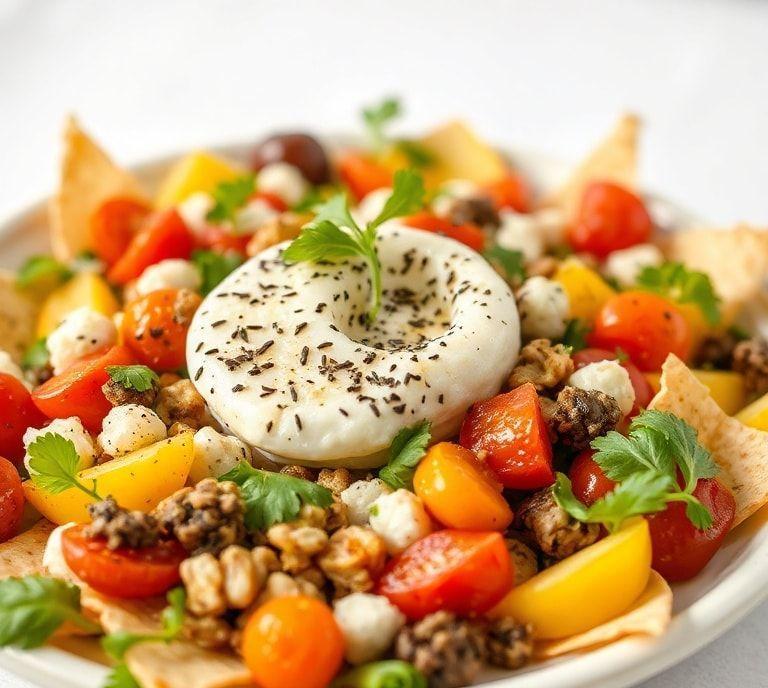
A vegetarian mezze platter is like a mini journey across the Mediterranean, all packed into one beautiful spread. It’s a wonderful choice for gatherings, whether you’re hosting friends for a casual evening or preparing a more intimate meal. Imagine a table brimming with dishes that range from creamy dips to fresh salads, crispy bites, and a variety of vegetables bursting with flavor. Here’s how you can recreate that magic in your own kitchen.
This recipe will serve as a base for a mezze platter, but feel free to mix and match according to your preferences and what you have available. The beauty of mezze is that it is endlessly adaptable. It’s not about perfection; it’s about simplicity, fresh ingredients, and a bit of love in the process.
Ingredients Needed
For the Vegetarian Mezze, here’s a list of what you’ll need:
Hummus
- 1 can of chickpeas, drained and rinsed (or cooked chickpeas)
- 1/4 cup tahini (sesame paste)
- 2 tablespoons extra virgin olive oil
- Juice of 1 lemon
- 1 garlic clove, minced
- Salt and pepper to taste
- 1/2 teaspoon ground cumin (optional, but highly recommended)
Baba Ganoush
- 2 medium eggplants
- 1/4 cup tahini
- 2 tablespoons olive oil
- Juice of 1 lemon
- 1 garlic clove, minced
- Salt and pepper to taste
- 1/2 teaspoon smoked paprika (for a smoky flavor)
Tabbouleh
- 1 bunch flat-leaf parsley, finely chopped
- 2 tomatoes, diced
- 1 cucumber, diced
- 1/4 cup fresh mint leaves, finely chopped
- 1/4 cup bulgur wheat, soaked in water for 10 minutes
- Juice of 1 lemon
- 2 tablespoons olive oil
- Salt and pepper to taste
Stuffed Grape Leaves (Dolmas)
- 1 jar of grape leaves in brine (about 20-25 leaves)
- 1/2 cup rice
- 1/4 cup pine nuts, toasted
- 1/2 onion, finely chopped
- 2 tablespoons olive oil
- 1 teaspoon dried dill or fresh
- Juice of 1 lemon
- Salt and pepper to taste
Pita Bread (to Serve Alongside, Lightly Toasted Or Fresh)
These are the core components of your vegetarian mezze, and they come together to create a spread that is not only delicious but also nutritious. You can mix and match these recipes, or even add more, depending on your preferences.
Cooking Instructions
Hummus
- In a food processor, combine the chickpeas, tahini, olive oil, lemon juice, garlic, cumin, salt, and pepper. Blend until smooth, adding water as needed to reach your desired consistency.
- Taste and adjust seasoning if necessary. You can drizzle a bit more olive oil and sprinkle with paprika for a vibrant touch.
- Transfer to a bowl and set aside.
Baba Ganoush
- Preheat your oven to 400°F (200°C). Pierce the eggplants a few times with a fork, then roast them on a baking sheet for about 30-40 minutes, or until the skin is charred and the flesh is soft.
- Once done, let the eggplants cool slightly. Peel off the skin and scoop out the soft flesh into a bowl.
- Blend the eggplant with tahini, olive oil, lemon juice, garlic, smoked paprika, salt, and pepper until smooth. Taste and adjust seasoning as needed.
- Serve in a bowl, drizzling with olive oil if you like.
Tabbouleh
- In a large mixing bowl, combine the chopped parsley, tomatoes, cucumber, and mint. Add the soaked bulgur wheat (drained of any excess water).
- Drizzle with lemon juice and olive oil, then season with salt and pepper. Toss everything together, ensuring it’s well mixed.
- Chill for about 30 minutes in the fridge before serving. This gives the flavors time to meld together.
Dolmas (Stuffed Grape Leaves)
- Begin by draining the grape leaves and giving them a quick rinse. Lay them flat on a clean surface.
- In a bowl, combine rice, pine nuts, onion, olive oil, dill, salt, and pepper. Mix well.
- Place about 1-2 teaspoons of the rice mixture on each grape leaf and roll it up, folding in the sides as you go.
- Arrange the stuffed grape leaves in a pot and cover with water. Add lemon juice to the pot, then cover and simmer for about 40 minutes until the rice is cooked through.
- Let them cool before serving.
Serving
- Arrange your hummus, baba ganoush, tabbouleh, and dolmas on a large platter. You can garnish with additional parsley, pomegranate seeds, or a drizzle of olive oil.
- Serve with pita bread on the side, either fresh or lightly toasted.
Ingredient Science Spotlight
While these ingredients are bursting with flavor, there’s also a wonderful bit of science happening behind the scenes. For instance, tahini (a key ingredient in both hummus and baba ganoush) is made from sesame seeds, which are rich in unsaturated fats and essential minerals like calcium. This helps give the dips their rich texture while also providing nutritional benefits.
Meanwhile, bulgur wheat in tabbouleh isn’t just delicious-its fiber content is fantastic for digestion and can help you feel full longer. It’s also a whole grain, meaning it retains all of its nutrients, like B vitamins, iron, and magnesium, which support energy levels and overall health.
The eggplants in baba ganoush have their own magic too. Eggplants are full of antioxidants, particularly nasunin, which has been shown to help protect the brain from oxidative stress. Roasting them enhances their smoky flavor, bringing out their natural sweetness, and pairing them with tahini makes for an incredibly satisfying texture.
Expert Tips
- Make It Ahead: Mezze is the perfect make-ahead meal. You can prepare all the dips, the tabbouleh, and even the dolmas a day in advance, allowing the flavors to meld together overnight.
- Pita Bread Alternatives: If you want to step it up, try making your own pita or flatbread. It’s surprisingly easy, and fresh homemade bread will elevate your mezze platter.
- Use Fresh Herbs: For the most vibrant tabbouleh, use fresh parsley and mint. The difference in flavor is significant, and the herbs give the salad a fresh, zesty kick.
- Baba Ganoush Smoked Flavor: If you don’t want to roast the eggplant in the oven, you can also char them directly over a gas flame to give them a more intense smoky flavor.
Recipe Variations
- Spicy Hummus: Add a bit of heat by blending in some roasted red peppers, chili flakes, or even a dash of harissa.
- Vegan Dolmas: While traditional dolmas often include meat or egg, you can easily swap in more vegetables or cooked lentils for a fully plant-based option.
- Roasted Veggie Mezze: For an extra burst of flavor, roast some vegetables like bell peppers, zucchini, or cherry tomatoes with olive oil and spices, and serve them alongside your mezze platter.
- Tahini-Free Hummus: If you’re avoiding tahini, you can substitute with yogurt or even avocado for a different flavor profile.
Final Words
This vegetarian mezze recipe is more than just a meal; it’s an experience. From the creamy, smooth hummus to the smoky baba ganoush and tangy tabbouleh, each dish brings something unique to the table. These dishes are about more than just satisfying your hunger-they’re about celebrating fresh ingredients, enjoying the joy of sharing, and making memories with those around you.
FAQs
What Are Some Essential Dishes In A Vegetarian Mezze Platter?
A vegetarian mezze platter typically includes a variety of small dishes, often served cold, such as hummus, baba ganoush, tabbouleh, falafel, stuffed grape leaves (dolmas), muhammara, and baba ghanoush. These dishes showcase fresh vegetables, legumes, grains, nuts, and seeds, offering a flavorful and colorful spread.
Can I Make Vegetarian Mezze Dishes In Advance?
Yes, many vegetarian mezze dishes can be prepared in advance. Hummus, baba ganoush, and tabbouleh can be made a day ahead and stored in the refrigerator. Falafel dough can be prepared and refrigerated, then fried just before serving. Stuffed grape leaves and dips also hold up well when made in advance, enhancing their flavor as they marinate.
What Are Some Popular Vegetarian Alternatives For Traditional Mezze Dishes?
Popular vegetarian alternatives for traditional mezze dishes include using plant-based ingredients in place of meat. For example, instead of meat-filled kibbeh, you can make a vegetarian version with bulgur, lentils, or chickpeas. For meat-based shawarma, try using roasted vegetables or tofu, and in place of lamb or beef kebabs, you can make vegetable or mushroom skewers. These swaps provide a delicious and plant-based take on classic mezze offerings.