For as long as I can remember, food has been my way of making memories. There’s something special about sitting down with a delicious meal, something that doesn’t just fill your stomach, but brings you back to a moment, a place, or even a feeling. It’s why I’ve always loved cooking dishes that allow me to connect with traditions but also make them my own.
When I first stumbled upon vegetarian pide, it felt like a new discovery that also somehow felt familiar, like an old friend I had just met. This Turkish flatbread, often called "Turkish pizza," combines crispy dough, savory fillings, and a lovely balance of textures and flavors that just seem to hit every note right. What makes vegetarian pide particularly exciting is its versatility. Whether you’re a full-time vegetarian or simply looking to add more plant-based meals into your routine, this dish doesn’t feel like you’re missing out on anything-it’s just pure comfort, rich with flavor.
So, let me take you through a cozy journey of making your own vegetarian pide, from start to finish.
Vegetarian Pide Recipe
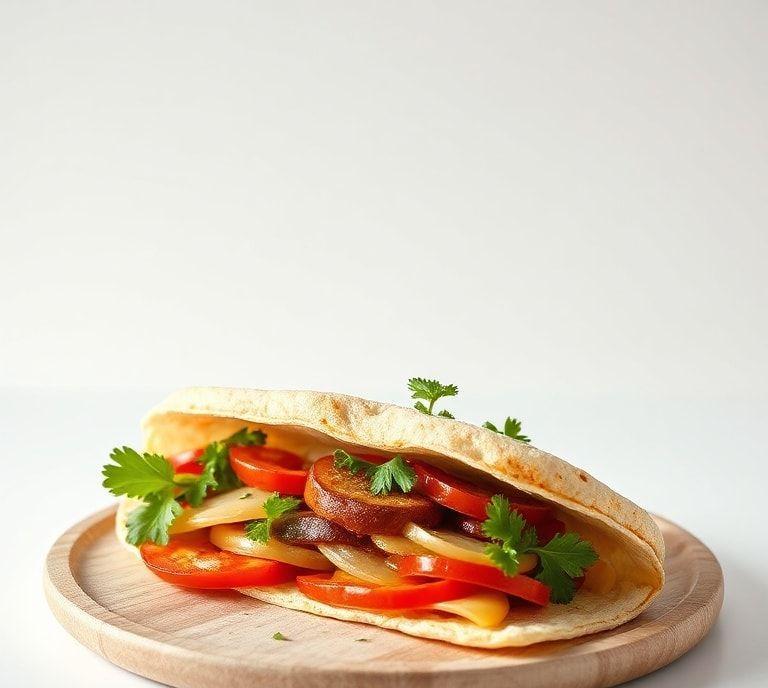
Now, imagine biting into a warm, golden-brown pide, where the dough has just the right amount of crunch, but also a softness that cradles a medley of vibrant, herb-infused veggies. It’s like a handheld piece of art that’s as satisfying to make as it is to eat. What I love about it is how the ingredients can be swapped based on what’s fresh, what’s in season, or simply what you’re in the mood for.
Ingredients Needed
The first thing you’ll notice about making vegetarian pide is that the ingredients are simple-nothing fancy here. But that’s the beauty of it: the simplicity allows the ingredients to shine. Here’s what you’ll need:
-
For The Dough
- 2 cups of all-purpose flour
- 1 tsp of instant yeast
- 1 tsp of salt
- 1 tbsp of olive oil
- 1 cup of warm water (you may need a bit more depending on the dough’s consistency)
- 1 tsp of sugar (this helps activate the yeast)
-
For The Filling
- 1 medium onion, finely chopped
- 1 red bell pepper, finely chopped
- 1 zucchini, grated (or finely chopped, if you prefer texture)
- 1 cup of mushrooms, finely sliced
- 2 cups of spinach or Swiss chard, roughly chopped (I love the chard for its slight bitterness that balances the sweetness of the peppers)
- 1/2 cup of feta cheese, crumbled (optional but highly recommended!)
- 1/2 cup of shredded mozzarella (for that melty, gooey goodness)
- 1 tbsp of olive oil
- 2 tsp of dried oregano or thyme (or both, if you’re feeling adventurous)
- Salt and pepper to taste
- 1 egg (for egg wash, optional, to get that golden, crispy shine on the crust)
Cooking Instructions
The process might seem a bit lengthy at first glance, but I promise you-this recipe is about enjoying the journey. First, we’ll start with the dough.
-
Make The Dough
Combine the flour, instant yeast, salt, and sugar in a large bowl. Slowly add the warm water, stirring until the dough begins to form. Once it’s mostly together, knead it on a floured surface for about 8 minutes until it’s soft, elastic, and smooth. Drizzle a bit of olive oil into the bowl, place the dough back in, and cover it with a damp cloth. Let it rise for about an hour, or until it has doubled in size. This is the time to start prepping your filling.
-
Prepare The Filling
Heat the olive oil in a skillet over medium heat. Add the onions and bell pepper, cooking until softened and slightly caramelized. Toss in the mushrooms and zucchini and sauté for a few more minutes until everything is tender. Add the spinach last, letting it wilt down. Season with salt, pepper, and oregano. Let the mixture cool for a bit. Then, fold in the feta and mozzarella cheese.
-
Shape The Dough
Once your dough has risen, punch it down gently and divide it into two equal pieces. Roll each piece into a rough oval shape on a floured surface. The key here is not to overwork the dough-you want it to stay light and airy, so gentle hands are your friend.
-
Fill The Pide
Spoon the veggie and cheese mixture into the center of each dough oval, leaving a border around the edges. Gently fold the edges up and over the filling, pinching the ends to form a boat-like shape. If you want, you can brush the exposed dough edges with an egg wash (just a whisked egg with a splash of water) to give it a beautiful golden finish.
-
Bake The Pide
Place the pide on a parchment-lined baking sheet and bake in a preheated 400°F (200°C) oven for about 15-20 minutes or until the crust is golden and the cheese is bubbling and melted. Keep an eye on it towards the end because ovens can vary.
-
Serve & Enjoy
Once baked, let your pide cool slightly before slicing into it. Serve it hot, and feel free to drizzle a little olive oil on top or a squeeze of fresh lemon juice for an added punch.
Ingredient Science Spotlight
I’ve always been curious about how ingredients interact during cooking, and there’s a bit of science at play here that makes this dish so special. For instance, the yeast in the dough doesn’t just make it rise, it creates tiny air pockets that give the bread its airy texture. As the dough bakes, those pockets expand, making the crust crispy while maintaining a light interior.
Then, there’s the mozzarella. When you melt mozzarella, the proteins in it relax and form that wonderfully stretchy, gooey texture we all love. It also helps balance out the savory, salty flavors of the feta and the earthy depth of the mushrooms.
The beauty of the filling is in the combination of vegetables and cheese. Vegetables like zucchini and spinach release moisture during cooking, but when paired with cheese, they help maintain that ideal filling texture-creamy but not too wet. The heat also brings out the natural sugars in the vegetables, especially the onions and bell peppers, making them taste sweet and rich.
Expert Tips
- Dough Tip: If you’re in a rush, let the dough rise in a warm spot, but if you’ve got more time, a slow rise in the fridge overnight will give you a deeper flavor.
- Filling Tip: You can add a touch of garlic or even chili flakes to the filling for an extra layer of depth. If you’re not a fan of feta, goat cheese or even ricotta works wonders as an alternative.
- Texture Tip: For extra crispness, you can cook the filling a little longer before putting it on the dough. This will help reduce moisture and give the pide an even crisper bite.
Recipe Variations
- Meat Lovers: For those who miss meat, you can easily add some sautéed ground lamb or beef to the filling. This is particularly popular in traditional pide.
- More Veggies: Try adding some roasted eggplant, artichoke hearts, or even a handful of olives for more Mediterranean flair.
- Vegan Version: Skip the feta and mozzarella, and use plant-based cheese alternatives or simply load up the veggies-maybe add some tahini for a creamy element.
Final Words
One of the things that make this vegetarian pide recipe so delightful is its adaptability. You can use what’s available in your fridge, and it’ll always taste fresh. It’s a simple yet indulgent meal that works well for a cozy dinner or as part of a larger spread with friends and family. Plus, it’s the perfect canvas for creative touches-whether you’re a purist or an experimenter, the possibilities are endless.
FAQs
What Are The Key Ingredients For A Vegetarian Pide?
The key ingredients for a vegetarian pide include a dough made from flour, yeast, water, and salt, with toppings such as tomatoes, bell peppers, onions, spinach, mushrooms, olives, and various herbs like parsley and thyme. Some recipes may also include cheese such as feta or mozzarella, depending on preference.
Can I Make Vegetarian Pide Without Cheese?
Yes, vegetarian pide can be made without cheese. Simply omit the cheese from the toppings and increase the amount of vegetables or add extra flavor with herbs, olives, or a drizzle of olive oil. The dough and the vegetables will still provide a rich and satisfying flavor.
How Do I Achieve A Crispy Crust For Vegetarian Pide?
To achieve a crispy crust for vegetarian pide, ensure that the dough is rolled out thinly and baked at a high temperature, typically around 450°F (230°C), for 12-15 minutes. You can also brush the edges of the dough with olive oil or butter before baking to enhance the crispiness and flavor.