There’s something inherently comforting about a pot pie-flaky, golden crust with a warm, savory filling that wraps you in a sense of cozy nostalgia. It’s the kind of dish that takes you back to cold winter nights, the smell of something baking in the oven, and the quiet hum of family chatter around the dinner table. But, like many other classic recipes, pot pie has evolved, and I think it’s time we revisit it in a slightly different light-making it a bit lighter, plant-based, and just as satisfying as the meaty version you may be used to.
As a lifelong vegetarian (and one who’s tried my fair share of pot pies), I can tell you, this easy vegetarian pot pie recipe ticks all the boxes-creamy, savory, hearty, and filling-but without the meat. It’s a dish that’s perfect for a weeknight dinner or when you want to impress your friends and family with something that’s both comforting and healthy. The best part? You don’t have to be a master chef to pull it off. It’s the kind of recipe that feels special, but it won’t leave you standing over a stove for hours.
Easy Vegetarian Pot Pie Recipe
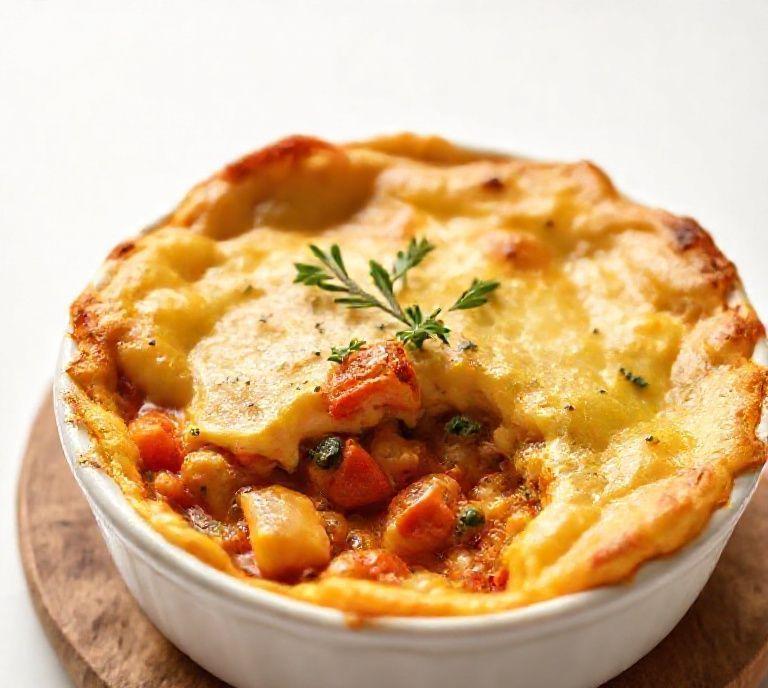
You know how certain dishes seem to effortlessly blend simplicity with satisfaction? This vegetarian pot pie is one of those recipes. It’s essentially a medley of vegetables and a creamy sauce, all wrapped up in a buttery, flaky pie crust. It’s the kind of comfort food that has the magical ability to make you feel both full and nourished, without feeling sluggish afterward. It’s a great choice for people who want the richness of a traditional pot pie, minus the heavy meat-based filling.
Ingredients Needed
Here’s a list of the ingredients that come together in perfect harmony to create this vegetarian delight. These are pantry staples you likely already have on hand, and if not, they’re easy to find at any grocery store.
- Pie Crusts: You’ll need two, one for the top and one for the bottom. You can opt for store-bought (because life’s busy) or, if you’re in the mood to flex those culinary muscles, homemade. Either way, you’ll want something buttery and flaky.
- Olive Oil: For sautéing the vegetables. You could swap in any vegetable oil, but I love the depth of flavor olive oil adds.
- Onions: One medium onion, chopped, will be the perfect base for your filling, adding both flavor and texture.
- Carrots: They bring a sweet earthiness to the dish and a nice pop of color.
- Celery: For that added crunch and freshness. The balance of flavors in a pot pie is key, and celery is essential in achieving that.
- Potatoes: Yukon Gold potatoes work best here, as they’re creamy and tender when cooked. They’ll add heartiness to your filling, making it feel substantial.
- Frozen Peas: They’re a must for that signature pot pie texture and flavor. Plus, they’re easy to store and quick to cook.
- Garlic: A couple of cloves, finely minced, add that aromatic punch that pairs so well with the other vegetables.
- Vegetable Broth: This is the liquid foundation for your filling. I recommend using a low-sodium vegetable broth to keep the flavor clean and balanced.
- Flour: This will thicken your sauce, turning it into the rich, creamy consistency that coats the veggies beautifully.
- Milk (or non-dairy milk): This adds the creaminess you want without making it too rich or heavy. If you’re dairy-free, any plant-based milk will work here-almond, oat, or soy.
- Salt and Pepper: To taste, to bring out all the flavors.
- Herbs (optional): I like to add a little thyme and rosemary. These herbs give the pot pie a fragrant, earthy note that enhances the vegetables.
Cooking Instructions
Now, here comes the fun part! The beauty of this dish is that it’s really not complicated, but it’s just as satisfying as something you’d order at a nice restaurant. Here’s how to make it:
- Preheat the Oven: Set your oven to 375°F (190°C). This gives it time to heat up while you’re prepping everything.
- Sauté the Veggies: In a large skillet, heat up a tablespoon of olive oil over medium heat. Add your onions, carrots, celery, and potatoes. Stir occasionally, letting them cook for about 5-7 minutes until the veggies start to soften. Add in the garlic during the last minute or so, and let it get fragrant.
- Make the Sauce: Sprinkle the flour over the cooked vegetables and stir it in well. This will create a roux and help thicken the filling. Slowly pour in your vegetable broth, stirring continuously, until the mixture thickens up-this should take about 3-5 minutes. Once thickened, add your milk, peas, and herbs. Season with salt and pepper to taste, then let the mixture simmer for another 2-3 minutes until everything is nice and creamy.
- Assemble the Pot Pie: Roll out one of your pie crusts and fit it into a 9-inch pie dish. Pour the vegetable mixture into the crust, spreading it evenly. Place the second pie crust on top and crimp the edges together to seal. Cut a few slits in the top to allow steam to escape.
- Bake: Place the pie on the middle rack of your preheated oven and bake for 35-40 minutes, or until the crust is golden brown and the filling is bubbling. You can cover the edges of the crust with aluminum foil if they brown too quickly.
- Cool & Serve: Let the pot pie cool for 10 minutes before serving. This helps the filling set, so you don’t end up with a runny mess on your plate.
Ingredient Science Spotlight
Every ingredient in this vegetarian pot pie serves a specific purpose-whether it’s for flavor, texture, or nutrition. Let’s take a deeper look at the science behind some of the key players:
- Potatoes: These starchy little guys absorb liquid while cooking, which is why they’re perfect for thickening the sauce and adding a satisfying heartiness to the dish. The natural starch in potatoes also creates a smooth, creamy texture that pairs perfectly with the rich sauce.
- Flour: Flour acts as a thickening agent, turning the vegetable broth and milk into the creamy filling we all know and love. When you make a roux by cooking the flour with the oil or butter, you’re essentially creating a base that binds the ingredients together and helps to trap moisture in the filling.
- Peas: Not only do peas bring color and texture, but they’re also rich in fiber and protein. Their slight sweetness balances the savory flavors of the other vegetables and herbs.
- Herbs: Thyme and rosemary aren’t just aromatic; they’re packed with antioxidants and essential oils that contribute to the overall health benefits of your dish. Rosemary, in particular, has anti-inflammatory properties, and thyme is known for its ability to support the immune system.
Expert Tips
- Pre-cook Your Veggies: The key to a creamy filling is to ensure the vegetables release their moisture before you start the filling. If you’re in a rush, you can even steam your potatoes and carrots before adding them to the skillet.
- Use Frozen Veggies for Convenience: If you’re not in the mood to chop, frozen veggies (especially peas, carrots, and corn) work just fine in this recipe.
- Crust Tips: For that flaky, golden crust, try refrigerating your pie dough for at least 30 minutes before baking. This helps the fat in the dough harden, leading to a more delicate, crispy crust.
- Add a Dash of Lemon: Just before serving, add a squeeze of fresh lemon juice on top of the filling. It adds a nice burst of acidity that cuts through the richness of the dish and brightens up the flavors.
Recipe Variations
- Add a Protein Boost: For an extra layer of texture and protein, consider adding some cooked lentils or chickpeas. These will blend perfectly into the creamy filling and make the dish even more filling.
- Cheesy Pot Pie: Want a cheesy twist? Add shredded cheese (cheddar, mozzarella, or dairy-free cheese) to the filling mixture just before you assemble the pie. It’ll melt into the sauce, making the filling even richer and more indulgent.
- Swap the Veggies: If you’re craving something different, you can easily swap out the vegetables. Mushrooms add an earthy, meaty texture, while butternut squash will lend a slight sweetness to the dish. Spinach, kale, or even sweet potatoes are great alternatives.
- Gluten-Free: If you need a gluten-free option, use a gluten-free pie crust and swap the flour for cornstarch or a gluten-free flour blend.
Final Words
A vegetarian pot pie isn’t just a meal-it’s an experience. It’s about taking the time to prepare something from scratch, filling your kitchen with the mouthwatering scent of roasting vegetables and butter. It’s about sitting down with loved ones, sharing a meal that feels nourishing and comforting, but without the heaviness of traditional meat pies.
Whether you’re looking for a weeknight dinner idea, a dish to bring to a gathering, or something to share with your family, this easy vegetarian pot pie recipe has you covered. The beauty of this dish is in its flexibility, simplicity, and ability to be enjoyed by just about anyone.
FAQs
What Ingredients Are Needed For An Easy Vegetarian Pot Pie?
For an easy vegetarian pot pie, you will need a variety of vegetables such as carrots, peas, potatoes, and corn. You’ll also need a base such as vegetable broth or cream to create the filling, along with seasonings like thyme, rosemary, salt, and pepper. The pie crust can either be store-bought or homemade, and optional additions include tofu or mushrooms for protein and texture.
Can I Make The Crust Ahead Of Time For An Easy Vegetarian Pot Pie?
Yes, you can make the crust ahead of time. Prepare the dough, roll it out, and store it in the refrigerator for up to two days or freeze it for longer storage. You can also make the entire pot pie, bake it, and store it in the refrigerator for 2-3 days. Reheat before serving, but keep in mind that the crust may lose some crispiness after being stored.
How Can I Make An Easy Vegetarian Pot Pie Gluten-free?
To make a gluten-free vegetarian pot pie, substitute regular flour in the crust with a gluten-free flour blend, and ensure the broth and other ingredients do not contain gluten. You can either use a gluten-free pie crust or make your own using a combination of gluten-free flour, butter (or dairy-free butter), and ice water. Be sure to check labels on pre-made ingredients like broth or frozen vegetables to ensure they are gluten-free.