There’s something about a frittata that feels both comforting and exciting at the same time. It’s a dish that embodies the beauty of simplicity but also gives you a lot of room for creativity. For me, the frittata is one of those go-to meals that can be whipped up when the fridge is looking a little bare, but you still want something satisfying. Plus, it doesn’t require much effort-perfect for those days when you want to make something nutritious but don’t have the energy for a full-on cooking marathon.
In this case, we’re making a healthy vegetarian frittata, packed with vibrant vegetables and just the right balance of protein and fiber. It’s a meal that can easily take you from breakfast to dinner, or anywhere in between. The beauty of this dish is that you can swap out ingredients based on what you have on hand or what’s in season, which is always a win in my book.
Healthy Vegetarian Frittata Recipe
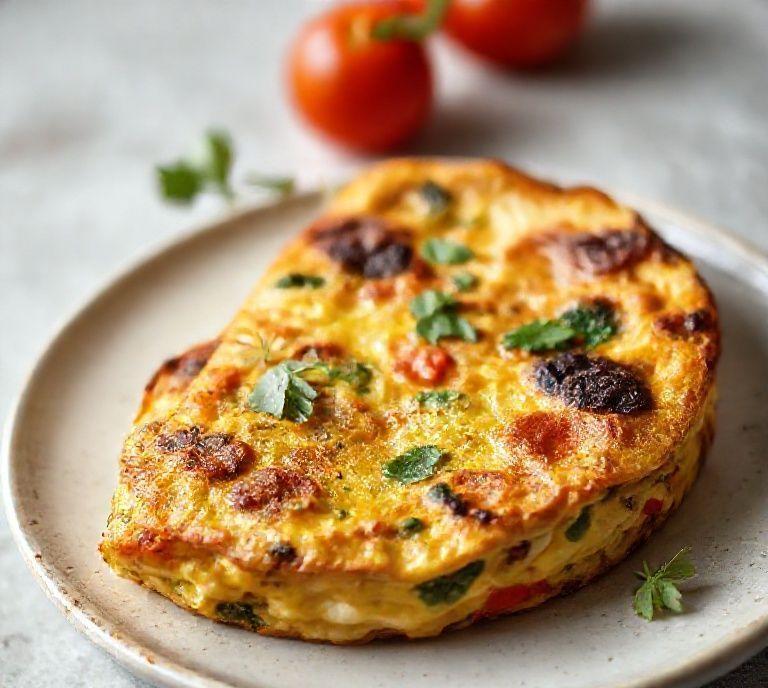
This vegetarian frittata is a balance of fresh, wholesome ingredients that not only taste good but are good for you. Think of it as an upgrade from your basic scrambled eggs. You get the same eggy richness but with the added benefit of vegetables, herbs, and the occasional sprinkle of cheese or nuts for extra texture and flavor.
I’ve made this recipe countless times for lazy Sunday mornings, post-workout brunches, and even a last-minute dinner when I’m craving something light but hearty. It’s a versatile dish that adapts to your schedule and taste preferences.
Ingredients Needed
- 6 large eggs: The foundation of the frittata, eggs provide protein and structure. You can also swap them for egg whites or a plant-based egg substitute if you’re looking for a lighter option or have dietary restrictions.
- 1 tablespoon olive oil: To sauté the vegetables. Olive oil also adds healthy fats, making the frittata more filling.
- 1 small onion, diced: Adds a sweet, aromatic base flavor.
- 1 bell pepper, diced: For a pop of color and a touch of sweetness.
- 1 zucchini, sliced: A mild, tender vegetable that cooks quickly and adds texture.
- 2 cups fresh spinach, roughly chopped: Spinach is packed with iron, and it wilts down beautifully in the frittata.
- 1/2 cup feta cheese (optional): I love the tanginess of feta in a frittata, but you can skip this or use a different cheese like goat cheese, cheddar, or mozzarella, depending on your preference.
- Salt and pepper to taste: Essential for bringing all the flavors together.
- Fresh herbs (like parsley or basil): Optional, but they bring freshness and a burst of flavor.
- A pinch of red pepper flakes (optional): For a bit of heat.
Cooking Instructions
- Preheat your oven to 375°F (190°C). This allows the frittata to cook evenly from the start.
- Heat the olive oil in a large oven-safe skillet (preferably cast iron) over medium heat. Add the onion and bell pepper, and sauté for about 3-4 minutes, until they begin to soften.
- Add the zucchini and spinach, and sauté for another 2-3 minutes, until the spinach wilts down. Season with a pinch of salt and pepper to enhance the flavors.
- Whisk the eggs in a bowl, and season with a little more salt, pepper, and any herbs you’d like to add. Pour the eggs over the vegetables in the skillet. Give it a gentle swirl to make sure everything is evenly distributed.
- Cook on the stove for about 2-3 minutes, just to set the edges of the eggs, and then transfer the skillet to the preheated oven. Bake for 10-12 minutes, or until the frittata is set and slightly golden on top.
- Top with feta cheese and fresh herbs before serving.
Ingredient Science Spotlight
One of my favorite things about a frittata is that it’s a meal that really showcases the magic of simple ingredients working together. Let’s take a moment to appreciate the science behind some of these ingredients:
- Eggs: Eggs are the star of this dish. The proteins in eggs, when heated, form a gel-like structure, giving the frittata its firm yet custardy texture. The fat in the yolk also helps with richness, which is why a frittata feels so satisfying.
- Spinach: Spinach is a nutrient powerhouse, offering a rich source of iron, vitamin C, and folate. When cooked, spinach also releases its antioxidants, which may help reduce inflammation in the body.
- Olive Oil: Not just a healthy fat, olive oil is loaded with monounsaturated fatty acids, which are great for heart health. The antioxidants in olive oil also help protect the body from oxidative stress.
Expert Tips
- Use a non-stick or well-seasoned cast iron pan for best results. It makes transferring the frittata to the oven easier, and cleanup is a breeze.
- Don’t overcook it. Frittatas are best when they’re slightly soft in the center. It continues cooking as it cools down, so taking it out of the oven a little early ensures it’s not dry.
- Add in seasonal veggies: Frittatas are incredibly versatile. Use whatever vegetables are in season or whatever’s lurking in your fridge. Sweet potatoes, mushrooms, tomatoes, and asparagus are great additions.
- Make it your own: Don’t be afraid to experiment with flavors. Try adding a little pesto, sun-dried tomatoes, or even a handful of olives for a Mediterranean twist.
Recipe Variations
This basic frittata recipe is just the beginning. Once you get the hang of it, feel free to mix and match with other ingredients. A few ideas:
- Mushroom & Goat Cheese: Swap the zucchini for sautéed mushrooms and sprinkle in some crumbled goat cheese for a rich, earthy flavor.
- Tomato & Avocado: Add halved cherry tomatoes and top the frittata with fresh avocado after baking. This gives the dish a fresh, summery vibe.
- Spicy Southwest Frittata: Toss in black beans, corn, and a sprinkle of cumin or chili powder, and top with a little shredded cheddar for a Tex-Mex twist.
Final Words
Whether you’re making a frittata for a quiet morning at home or serving it as part of a larger spread for friends and family, it’s a dish that never disappoints. It’s versatile, satisfying, and most importantly, it’s packed with healthy, wholesome ingredients. I love how a frittata can take on so many different forms depending on what you have in the fridge. It’s like a blank canvas for whatever flavors you want to highlight.
I encourage you to play around with this recipe. Experiment with new vegetables, cheeses, and spices. One of the best parts of cooking is making a dish your own. And with the humble frittata, you have all the freedom to do just that.
FAQs
What Ingredients Are Essential For A Healthy Vegetarian Frittata?
A healthy vegetarian frittata typically includes eggs or an egg substitute as the base, a variety of fresh vegetables such as spinach, bell peppers, tomatoes, and onions, and optional additions like herbs, spices, and low-fat cheese. Using olive oil or a non-stick cooking spray can help reduce added fats while maintaining flavor.
How Can I Make A Vegetarian Frittata That Is Low In Calories But Still Filling?
To make a low-calorie yet satisfying vegetarian frittata, focus on incorporating high-fiber vegetables like zucchini, broccoli, and mushrooms, which add volume without many calories. Use egg whites or a combination of whole eggs and egg whites to reduce fat content. Limiting cheese or opting for a lower-fat variety also helps maintain a healthy calorie count.
What Is The Best Method To Cook A Vegetarian Frittata For Even Texture And Flavor?
For an evenly cooked and flavorful frittata, start by sautéing vegetables lightly in a non-stick skillet to release their natural flavors. Pour in the beaten eggs and cook over medium heat until the edges start to set. Finish cooking in the oven under a broiler or at a moderate temperature to ensure the top is fully set without overcooking the eggs, resulting in a light and fluffy texture throughout.