If you’ve ever had a rich, creamy plate of polenta, you know it has this undeniable comfort factor. The kind of food you sit down to, take a bite of, and feel like everything’s just right in the world. But it doesn’t need to be a complex dish to achieve that comforting satisfaction. In fact, there’s something wonderfully humble about polenta-it’s just cornmeal and water (or broth), but it can be transformed into something so much more. When you add in vegetables, fresh herbs, and a little bit of creativity, it becomes a vibrant, satisfying meal on its own. In this recipe, we’ll be making a delicious vegetarian polenta, perfect for a cozy dinner or even a lively family gathering.
I remember the first time I made polenta from scratch-it was a chilly evening, and I had no idea that something so simple could taste so good. I paired it with roasted vegetables and topped it off with a drizzle of olive oil, thinking it would be just a side dish. But as soon as I took that first bite, it felt more like a main event. Ever since, I’ve been experimenting with different ways to make polenta the star of the show, and I can’t wait to share this particular recipe with you. It’s cozy, comforting, and has a little extra flair that’ll have everyone asking for seconds.
Polenta Vegetarian Recipe
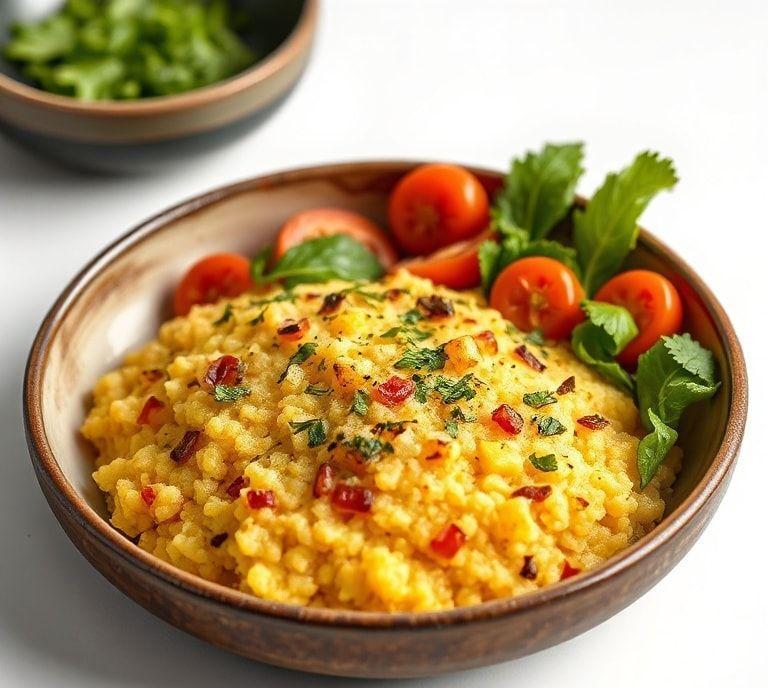
This recipe keeps things classic yet adds depth with a combination of savory roasted vegetables, fresh herbs, and a creamy texture that polenta is known for. Whether you’re a long-time polenta lover or a newbie, this dish will impress.
Ingredients Needed
- 1 cup cornmeal (medium or coarse)
- 4 cups vegetable broth (you can use water, but broth adds flavor)
- 1 tablespoon olive oil (or butter, if you prefer)
- 1 small onion, finely chopped
- 2 cloves garlic, minced
- 1 zucchini, diced
- 1 bell pepper, diced (red or yellow for sweetness)
- 1 cup cherry tomatoes, halved
- 1 cup spinach (or kale if you prefer)
- Salt and pepper, to taste
- Fresh herbs (basil, thyme, or rosemary work great)
- 1/4 cup grated Parmesan cheese (optional, for extra creaminess)
- A drizzle of olive oil for serving
Cooking Instructions
- Prepare the Polenta: Start by bringing the vegetable broth to a boil in a large pot. Slowly whisk in the cornmeal, a little at a time, ensuring there are no lumps. Lower the heat and cook, stirring frequently for about 20-25 minutes. The polenta should be thick and creamy but still smooth. Once it reaches that consistency, remove it from heat and stir in a tablespoon of olive oil or butter to make it extra creamy.
- Roast the Vegetables: While the polenta is cooking, preheat your oven to 400°F (200°C). Toss the diced zucchini, bell pepper, and halved cherry tomatoes with a little olive oil, salt, and pepper, and spread them out on a baking sheet. Roast them in the oven for about 20-25 minutes until they’re slightly caramelized and tender. You can even throw in a few sprigs of fresh thyme or rosemary while they roast for extra fragrance.
- Sauté the Aromatics: In a skillet, heat a tablespoon of olive oil over medium heat. Add the chopped onion and garlic and sauté for 3-4 minutes until softened and fragrant. Add the spinach (or kale) and cook for another 2-3 minutes until wilted. Season with salt and pepper to taste.
- Bring It All Together: Once the polenta is creamy and the vegetables are roasted, combine them. Gently fold the sautéed spinach mixture and the roasted vegetables into the polenta. Stir in the fresh herbs-basil is especially great here-then check the seasoning and adjust as needed. If you want it even creamier, add the grated Parmesan cheese and mix until it melts into the dish.
- Serve and Garnish: Spoon the polenta into bowls, drizzle with a little extra olive oil, and garnish with more fresh herbs or a sprinkle of cheese if you like. Serve it warm as a hearty meal or alongside a salad for balance.
Ingredient Science Spotlight
Polenta might seem simple, but the beauty of this dish lies in the science behind the ingredients. The key player here is cornmeal, which, when combined with liquid (broth or water), undergoes a process called gelatinization. Essentially, the starches in the cornmeal absorb the liquid and swell up, creating a thick, creamy texture. This is why it’s important to cook the polenta slowly and stir often-so that the starches release evenly and prevent clumps.
Roasting the vegetables, on the other hand, brings out their natural sugars, turning them into sweet, caramelized bites. The high heat causes the Maillard reaction, which is responsible for that deep, savory flavor you can’t quite put your finger on but absolutely love. And let’s not forget the impact of fresh herbs. Heat activates the oils in herbs like basil and thyme, releasing their aromatic compounds and infusing the whole dish with a subtle, fragrant depth.
Expert Tips
- Keep It Creamy: If your polenta seems too thick after cooking, don’t be afraid to add more liquid-broth, water, or even a splash of milk or cream works. This keeps it nice and silky.
- Roast, Don’t Sauté: For a richer flavor in your vegetables, roasting them in the oven adds more depth than just sautéing them in a pan. The caramelization that occurs when vegetables roast makes them sweeter and more flavorful.
- Double the Recipe: This dish keeps surprisingly well in the fridge for a couple of days. Polenta can firm up when it cools, so you can slice and reheat it the next day for a completely different texture.
- Flavor Boosters: A squeeze of lemon or a splash of balsamic vinegar right before serving adds a bright, tangy contrast that takes the dish to the next level.
Recipe Variations
- Polenta with Mushrooms: Swap out the roasted veggies for a medley of sautéed mushrooms, garlic, and thyme. The earthy flavor of mushrooms pairs perfectly with the creamy polenta.
- Polenta with Roasted Root Vegetables: Try adding roasted sweet potatoes, carrots, and parsnips for a heartier, winter-friendly version of this dish.
- Polenta with Beans: Add a cup of cooked beans-chickpeas, white beans, or black beans-into the polenta for extra protein and texture. The beans will absorb some of the flavors from the vegetable broth and roasted vegetables.
- Spicy Polenta: For a kick, toss in some red pepper flakes or fresh chopped chili peppers into the polenta or vegetable mixture. The heat will give it an extra layer of complexity.
Final Words
This dish is a reminder that comfort food doesn’t need to be heavy to be satisfying. It’s the perfect balance of textures-creamy, soft polenta with roasted, caramelized vegetables, fresh herbs, and a hint of cheese. Whether you’re cooking for yourself or sharing a meal with loved ones, there’s something about the way these flavors come together that feels like home.
Cooking this recipe is more than just preparing a meal-it’s about creating a dish that nourishes you on every level. It’s versatile, filling, and gives you room to get creative with the ingredients you love most.
FAQs
What Are The Basic Ingredients For A Vegetarian Polenta Recipe?
The basic ingredients for a vegetarian polenta recipe typically include cornmeal (the key component of polenta), vegetable broth or water, butter or olive oil, cheese (such as Parmesan or mozzarella), salt, and pepper. For added flavor, you can also include garlic, herbs like rosemary or thyme, and sautéed vegetables like mushrooms, spinach, or tomatoes.
Can I Make Polenta Vegetarian Recipe Without Cheese?
Yes, it is possible to make a vegetarian polenta recipe without cheese. If you’re aiming for a dairy-free option, you can substitute cheese with plant-based alternatives such as nutritional yeast for a cheesy flavor or simply omit the cheese. You can also enrich the polenta with additional vegetables, herbs, or a drizzle of olive oil for flavor.
How Can I Customize A Polenta Vegetarian Recipe To Make It More Flavorful?
To enhance the flavor of a vegetarian polenta recipe, you can incorporate a variety of ingredients. Try sautéing garlic, onions, and herbs like thyme, rosemary, or basil in olive oil before mixing them into the polenta. For added richness, you can use vegetable broth instead of water and top it with sautéed mushrooms, spinach, roasted peppers, or even a sprinkle of vegan cheese. Adding a drizzle of balsamic vinegar or a few crushed red pepper flakes can also elevate the taste.