Winter is here, and if you’re like me, it’s the season to start craving cozy, hearty meals that warm both the body and soul. There’s something special about curling up with a bowl of soup after a cold day outside. It’s a little like a hug in a bowl, isn’t it? While there’s no shortage of meaty soups to choose from, I wanted to share a recipe for a vegetarian winter soup that’s packed with flavor, warmth, and nutrition. It’s the perfect comfort food for those chilly nights when you just need something satisfying, but you want to skip the meat.
For me, the magic of soup lies in the layers of flavors that develop as it simmers. Every ingredient has a role, and when they all come together, you’re left with something greater than the sum of its parts. And what’s even better? This recipe is super versatile, so you can adjust it to fit your personal tastes or what you have on hand. But I promise, once you try it, you’ll find yourself making this go-to winter soup again and again.
Vegetarian Winter Soup Recipe
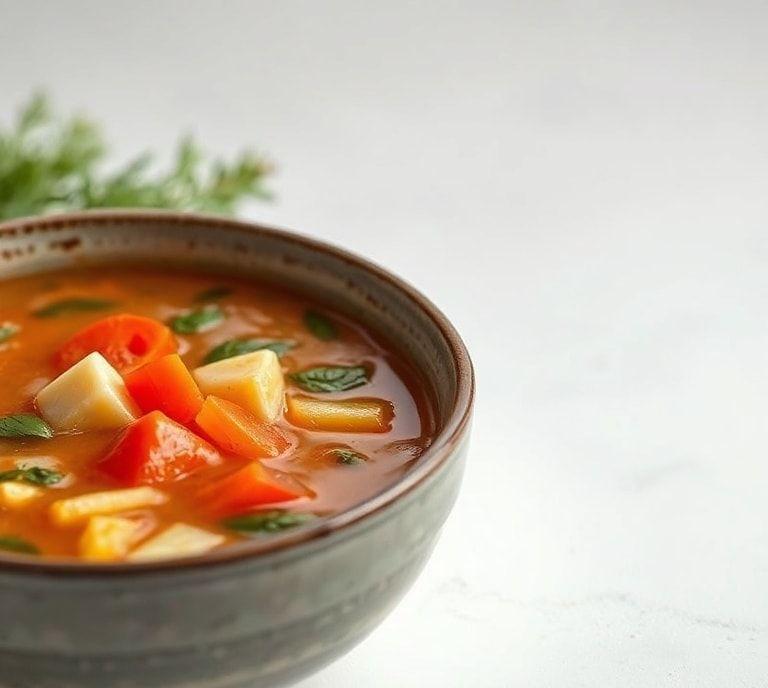
This vegetarian winter soup has the depth of flavor you’d expect from a slow-simmered stew, but it’s lighter and, yes, completely plant-based. The heart of this soup is a combination of root vegetables, lentils, and greens, with a little secret touch of spices that bring it to life. I’ve been making this soup for years-perfecting it on those cold evenings when the snow’s falling outside, and you want nothing more than to be wrapped up in a blanket, with something warm bubbling on the stove. So, let’s dive in!
Ingredients Needed
To make this hearty soup, you’ll need the following ingredients:
- 2 tablespoons olive oil (or any oil of your choice)
- 1 medium onion, chopped
- 2 cloves garlic, minced
- 2 large carrots, peeled and diced
- 2 parsnips, peeled and diced (you can use potatoes as a substitute)
- 1 cup dried green or brown lentils, rinsed and drained
- 1 can (14.5 oz) diced tomatoes
- 4 cups vegetable broth (homemade or store-bought)
- 2 cups water
- 1 teaspoon dried thyme
- 1 teaspoon dried rosemary
- 1/2 teaspoon turmeric (this is my secret spice!)
- 1/4 teaspoon ground black pepper
- 1 teaspoon sea salt (adjust to taste)
- 2 cups kale or spinach, roughly chopped
- Juice of half a lemon (for a touch of brightness at the end)
The ingredient list might look a bit long, but trust me, every single one plays a crucial part in making this soup next-level.
Cooking Instructions
Step 1: Prep The Veggies
Start by heating the olive oil in a large pot over medium heat. Once it’s hot, add the onions and garlic. Sauté them for about 3 minutes, until they’re soft and fragrant. This is your base, so don’t rush this step. The longer the onions cook, the sweeter and more flavorful they’ll become.
Step 2: Add The Root Vegetables
Now, toss in the carrots and parsnips (or potatoes). Stir them around for a few minutes to get them nice and coated with the oil. It’ll help them release their natural sweetness. Cook for about 5 minutes, stirring occasionally, before adding the turmeric, thyme, rosemary, and black pepper. Let those spices bloom in the heat for about 30 seconds-they’ll start to release their aromas, and your kitchen will smell incredible.
Step 3: Stir In The Lentils And Tomatoes
Once the spices have had a moment to bloom, stir in the lentils and the canned tomatoes (with their juice). This is where things get hearty, and the lentils will help thicken the soup as it simmers.
Step 4: Add The Liquids
Pour in the vegetable broth and water. Give everything a good stir and bring it to a gentle boil. Once it’s boiling, reduce the heat to low and cover the pot. Let it simmer for about 30 minutes, or until the lentils are tender and the vegetables are soft. Don’t worry if the soup looks a little thick at first-it will loosen up as the lentils cook and absorb the liquid.
Step 5: Add The Greens
Once the lentils are soft and the soup has come together beautifully, stir in the chopped kale or spinach. They’ll wilt down quickly, just 3-4 minutes. At this point, taste the soup. Adjust the salt, pepper, or even add a little more rosemary if you want a deeper flavor.
Step 6: Finish With Lemon
When you’re ready to serve, squeeze in the juice of half a lemon. This might seem like a small step, but it adds a refreshing contrast to the richness of the soup. Trust me-it makes all the difference!
Ingredient Science Spotlight
Now, let’s take a little detour and talk about a couple of the key ingredients that make this soup truly special. First up: lentils. These tiny powerhouses are an excellent source of protein, fiber, and iron. They hold their shape beautifully while cooking, which gives the soup that satisfying texture. And because lentils cook relatively quickly compared to other legumes, they’re perfect for a quick winter meal.
Then there’s the humble parsnip. Often overshadowed by its more popular cousins like carrots or potatoes, parsnips have a sweet, nutty flavor that comes out when you cook them. They’re a fantastic winter root vegetable that pairs perfectly with the earthiness of the lentils.
And lastly, turmeric-the golden spice that has been getting a lot of love recently for its anti-inflammatory properties. It adds not just health benefits but also a warm, slightly peppery flavor that’s perfect for a winter soup.
Expert Tips
- Don’t Skip the Lemon: The acidity from the lemon juice is what really balances the richness of the soup. Without it, you might find it a bit too heavy. If you don’t have lemon, a splash of apple cider vinegar can work just as well.
- Make It Ahead: This soup actually tastes better the next day. The flavors continue to meld together, and it becomes even more hearty. So, if you’re meal prepping, this is the one to make!
- Freeze It: You can freeze any leftovers for up to three months. Just let the soup cool completely before transferring it into freezer-safe containers. When you’re ready to eat, defrost and heat it up-it’s just as good as fresh.
- Play with the Spices: If you’re not a fan of turmeric or rosemary, try cumin or smoked paprika for a different flavor profile. The great thing about soup is that it’s endlessly adaptable.
Recipe Variations
- Add Root Vegetables: Try adding sweet potatoes or turnips for an even richer flavor.
- Spicy Kick: For those who like a little heat, add a chopped chili pepper or a pinch of cayenne pepper.
- Creamier Texture: Blend a portion of the soup after it’s cooked for a creamier base, or add a splash of coconut milk for a luxurious touch.
- Protein Boost: If you’re craving more protein, throw in some chickpeas or white beans along with the lentils. They’ll blend well into the soup without overpowering the other flavors.
- Herb Substitution: If you don’t have fresh rosemary or thyme, dried versions work just as well. Or, try a handful of fresh parsley or basil at the end for a different fresh kick.
Final Words
Soup is more than just food-it’s an experience. It’s the scent that fills your kitchen, the warmth that surrounds you as you sit down to enjoy it, and the comfort of knowing that each spoonful is nourishing your body. With this vegetarian winter soup, you’re not just feeding your hunger; you’re giving yourself a moment of respite in a busy world.
FAQs
What Are Some Essential Ingredients For A Vegetarian Winter Soup?
A hearty vegetarian winter soup typically includes root vegetables such as carrots, parsnips, and potatoes, along with seasonal greens like kale or spinach. Legumes such as lentils or beans provide protein and fiber, while aromatics like onions, garlic, and celery add depth of flavor. Vegetable broth or stock forms the base, and herbs like thyme, rosemary, and bay leaves enhance the warmth and complexity of the soup.
How Can I Make My Vegetarian Winter Soup More Filling Without Using Meat?
To make a vegetarian winter soup more filling, include protein-rich ingredients like lentils, chickpeas, or beans. Whole grains such as barley, farro, or quinoa can add texture and satiety. Starchy vegetables like sweet potatoes or winter squash provide natural thickness, while adding a touch of cream, coconut milk, or pureed vegetables can make the soup feel richer and more satisfying without using animal products.
What Are Some Tips For Storing And Reheating Vegetarian Winter Soup?
Vegetarian winter soup can be stored in the refrigerator for 3-5 days in an airtight container. For longer storage, it can be frozen in individual portions for up to 3 months. When reheating, warm the soup gently on the stovetop over medium heat, stirring occasionally to prevent sticking or burning. If the soup has thickened during storage, adding a splash of vegetable broth or water can restore its original consistency.