There’s something magical about cooking-it’s not just about nourishing the body, but also about creating something that brings comfort, memories, and a sense of belonging. I’ve spent many evenings around the stove, experimenting with new recipes, only to end up with a dish that became an instant favorite. One of those happy accidents turned into what I now call my "Vegetarian Fish Recipe."
Now, if you’re like me and love the taste of fish but aren’t keen on the idea of eating it (for whatever reason-ethical, dietary, or environmental), this recipe is a game-changer. It takes all the familiar flavors of fish, without the fish. So, how did I get to this point? Well, let me tell you. I’ve been on a personal journey of shifting towards more plant-based meals, and it led me to experiment with making vegetarian alternatives to some of my favorite comfort foods. The result is a vegetarian fish dish that’s so close to the real thing that even my pescatarian friends had to do a double-take. Let’s dive in, shall we?
Vegetarian Fish Recipe
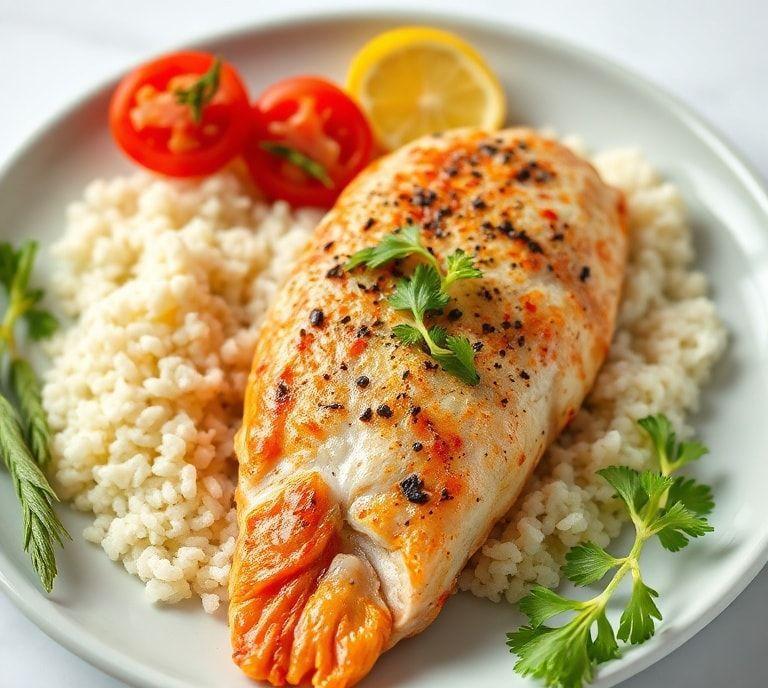
This vegetarian fish recipe is one of those things that, when you first try it, will have you wondering why it took you so long to find it. Imagine the soft, flaky texture of white fish, but made entirely from plant-based ingredients. It’s an innovative take on a traditional favorite that blends the right combination of spices, textures, and umami-rich ingredients. The best part? It’s entirely customizable.
What makes this recipe work, in my opinion, is the "magic" of seaweed. It gives a subtle oceanic flavor that you just can’t replicate with anything else. It’s one of those little kitchen secrets that make a world of difference when you’re going for that fishy taste, without actually using any fish. And for those who aren’t familiar with the seaweed thing-it might sound odd at first, but trust me, it works. You’ll get the scent and the flavor that’s reminiscent of fish without the usual aftertaste.
The final dish looks beautiful, has a tender texture, and packs in layers of flavor that will make you forget you’re eating plants. Ready to try it? Let’s go!
Ingredients Needed
To create this vegetarian fish, you don’t need anything too exotic, but you do need a few ingredients that will take you beyond the basics. Here’s what you’ll need to gather:
- Hearts of Palm – This is the secret to getting that flakey, fish-like texture. When shredded, hearts of palm resemble the fibrous texture of fish meat, and when cooked, they pick up the flavors of whatever you marinate them in. It’s kind of like a blank canvas for all the flavors you want to throw at it.
- Nori Sheets (or other seaweed) – For that unmistakable fish flavor. Nori sheets are your best bet here because they’re mild but carry a distinct oceanic essence that ties the dish together. You’ll break them up into pieces and mix them into your marinade.
- Chickpea Flour – This helps form a crisp coating around your fish-like substitute, giving it that crispy ’skin’ you’d expect from a piece of fried fish.
- Lemon Zest and Juice – The acidity cuts through the richness, making everything taste lighter. It also brightens up the dish in a way that balances out the savory elements.
- Garlic and Shallots – For that savory, allium depth. Garlic and shallots work wonders when sautéed together, making the base of the dish incredibly aromatic.
- Paprika and Turmeric – These give the dish a beautiful color and a subtle smokiness that works well in this vegetarian fish. Turmeric adds a golden hue that mimics the color of cooked fish.
- Tapioca Starch or Cornstarch – This is used to create that crispy outer layer. It gives it the texture that you’re going to love when you take your first bite.
- Soy Sauce – For that salty, umami flavor that helps bring all the ingredients together. It’s a subtle, savory backbone that enhances the dish.
- Vegetable Broth – You’ll need this for your marinade, to soak up all those flavors and give your “fish” a deep, rich base.
- Fresh Herbs (optional) – Dill or parsley works great with this recipe, but it’s really up to you. The fresh herbs bring a refreshing, bright contrast to the richness of the other ingredients.
Cooking Instructions
Alright, now that we’ve gathered everything, let’s get to the fun part-cooking! This part might take a little time, but trust me, the reward is well worth it. Here’s how you do it:
- Prep the Hearts of Palm: Start by draining the hearts of palm and shredding them into ’fish fillet’ strips. I like to use my hands for this because it gives me more control over the texture. Aim for long, flaky pieces.
- Marinate: In a bowl, whisk together the vegetable broth, soy sauce, lemon juice, nori, garlic, shallots, paprika, and turmeric. Add the shredded hearts of palm into the marinade, making sure each piece is well-coated. Let it sit for at least 30 minutes-this is key for letting all those flavors soak in.
- Prepare the Coating: In a shallow bowl, combine the chickpea flour, tapioca starch, and a pinch of salt and pepper. This will be your crispy coating.
- Cook the ’Fish’: Heat a generous amount of oil (I like using avocado oil for its high smoke point) in a skillet over medium heat. Once it’s hot, dredge each piece of marinated hearts of palm in the flour mixture, coating each side lightly. Fry them in batches for about 3-4 minutes per side, or until golden brown and crispy.
- Serve and Garnish: Once all your pieces are fried, serve them up hot, garnished with fresh herbs, a squeeze of lemon, and maybe even a side of tartar sauce if you’re feeling extra!
Ingredient Science Spotlight
Now let’s take a deeper dive into a couple of ingredients that really make this dish stand out. First, hearts of palm. It’s a vegetable derived from the inner core of certain palm trees, and its unique texture is what makes it so useful in replicating the fish fillet experience. When shredded, hearts of palm take on a texture that mimics fish-especially the soft, flaky varieties. They’re high in fiber, low in fat, and provide a surprisingly neutral canvas for whatever flavors you choose to throw at them.
The next one I want to spotlight is nori. This dried seaweed is what gives the dish its unmistakable sea flavor. Nori is packed with minerals like iodine and contains a compound called umami, which is the savory ’fifth taste’ that deepens the overall flavor of the dish. It’s what makes this recipe feel “fishy”, without actually being fish.
Expert Tips
- Get the right texture: Don’t skimp on marinating the hearts of palm long enough. The longer they sit, the more flavor they absorb.
- Crispiness is key: Make sure the oil is hot enough before you start frying. If it’s too cool, the pieces will become soggy instead of crispy.
- Add a little flair: If you’re feeling adventurous, throw in some sea vegetables (like kelp or dulse) into your batter for even more of that oceanic vibe.
- Make it a full meal: Serve this vegetarian fish with a side of crispy potatoes, a crunchy slaw, or a light salad to balance the richness of the dish.
Recipe Variations
One of the best things about this recipe is how flexible it is. If you want to mix things up, here are a few variations to try:
- Baked Version: If you’re looking for a healthier twist, bake the ’fish’ instead of frying it. Preheat the oven to 400°F (200°C), place the battered hearts of palm on a baking sheet lined with parchment paper, and bake for 15-20 minutes until golden brown.
- Flavor Boosters: Add a dash of liquid smoke or smoked paprika for that smokey, grilled taste. You can also experiment with different types of seaweed to change up the oceanic flavor profile.
- Spicy Twist: If you like a little heat, try adding some chili flakes to the batter or drizzle a spicy mayo on top for that extra kick.
Final Words
This vegetarian fish recipe is one of those dishes that truly highlights the versatility of plant-based cooking. Whether you’re cutting down on fish for health reasons or just want to explore new flavors, this recipe provides a satisfying alternative that doesn’t skimp on taste or texture. It’s not just a substitute for the real thing; it’s a dish that can stand proudly on its own.
FAQs
What Is A Vegetarian Fish Recipe?
A vegetarian fish recipe is a dish that imitates the taste and texture of fish but uses plant-based ingredients. Common ingredients include seaweed, tofu, jackfruit, or other vegetables and legumes that are seasoned and prepared in ways that mimic the flavor and appearance of fish. These recipes are ideal for individuals who follow a vegetarian or vegan diet but still enjoy the flavors of seafood.
How Do You Make Vegetarian Fish Fillets?
Vegetarian fish fillets are typically made by combining plant-based ingredients like tofu, tempeh, or king oyster mushrooms with seasonings like seaweed flakes, soy sauce, lemon, and dill to mimic the flavor of fish. These ingredients are shaped into fillets and either baked, fried, or grilled. You can also use breadcrumbs or chickpea flour for a crispy coating. For added authenticity, seaweed or vegan fish sauce can be used to enhance the taste.
Can I Use Vegetarian Fish Recipes In Traditional Seafood Dishes?
Yes, vegetarian fish recipes can be used in traditional seafood dishes by replacing the fish with plant-based alternatives. For example, vegetarian fish fillets can be used in recipes like fish tacos, fish and chips, sushi, or fish curry. The plant-based ingredients often absorb the flavors of the seasonings and sauces, making them an excellent substitute for fish in many classic seafood dishes. Just ensure that the textures and flavors are adjusted to suit the specific recipe.